

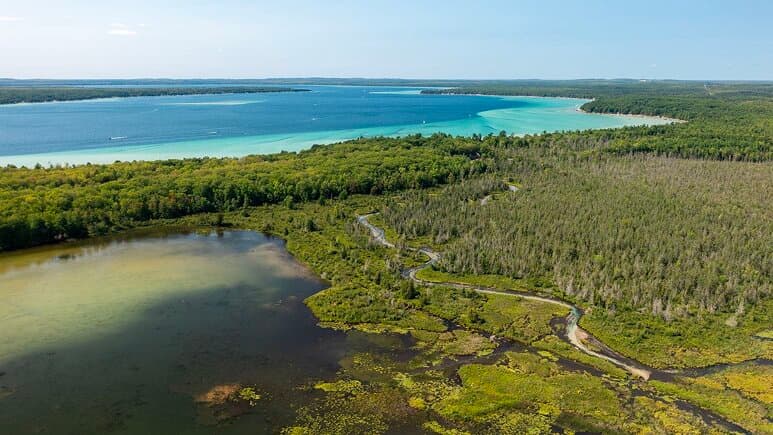
Michigan's forests are a cornerstone of the state's rural communities, playing a vital economic and ecological role. This crucial restoration initiative focuses on red pine, a keystone species. Each year, as part of the natural growth cycle, 70 to 90-year-old red pine plantations on state land are replanted with red pine seedlings, rapidly re-establishing these essential landscapes. This effort provides essential carbon sequestration and creates diverse wildlife habitats, supporting species dependent on pinecones and conifer canopies. Red pine forests are also vital to local economies. This restoration is more than trees; it's an investment in a sustainable, thriving future for Michigan's forests, wildlife, and communities.
This project is crucial for combating the adverse effects of climate change by sequestering carbon dioxide and enhancing local biodiversity. By focusing on the restoration of native ecosystems, we mitigate soil erosion, improve water quality, and provide habitats for endangered species. Moreover, the engagement of local communities fosters a sense of stewardship, ensuring that future generations will benefit from a thriving natural environment.
Explore every reforestation project your campaign could support.