
Why Are Trees Important for Life on Earth
Trees are so woven into our everyday lives that it’s easy to overlook just how important they really are. They line our streets, shade our parks, and quietly grow in forests across the world. But beyond their beauty, trees play a far bigger role in keeping our planet alive and balanced.
So, why are trees important? Because without them, the world as we know it simply could not function.
From the air we breathe to the water we drink, trees support the basic systems that make life on Earth possible. They regulate climate, protect wildlife, enrich the soil, and create healthier spaces for people to live. In many ways, they are the foundation of both natural ecosystems and human communities.
In this guide, we’ll explore how trees support life on Earth, from producing oxygen and storing carbon to protecting biodiversity and improving our well-being.
Why Are Trees Important for Us?
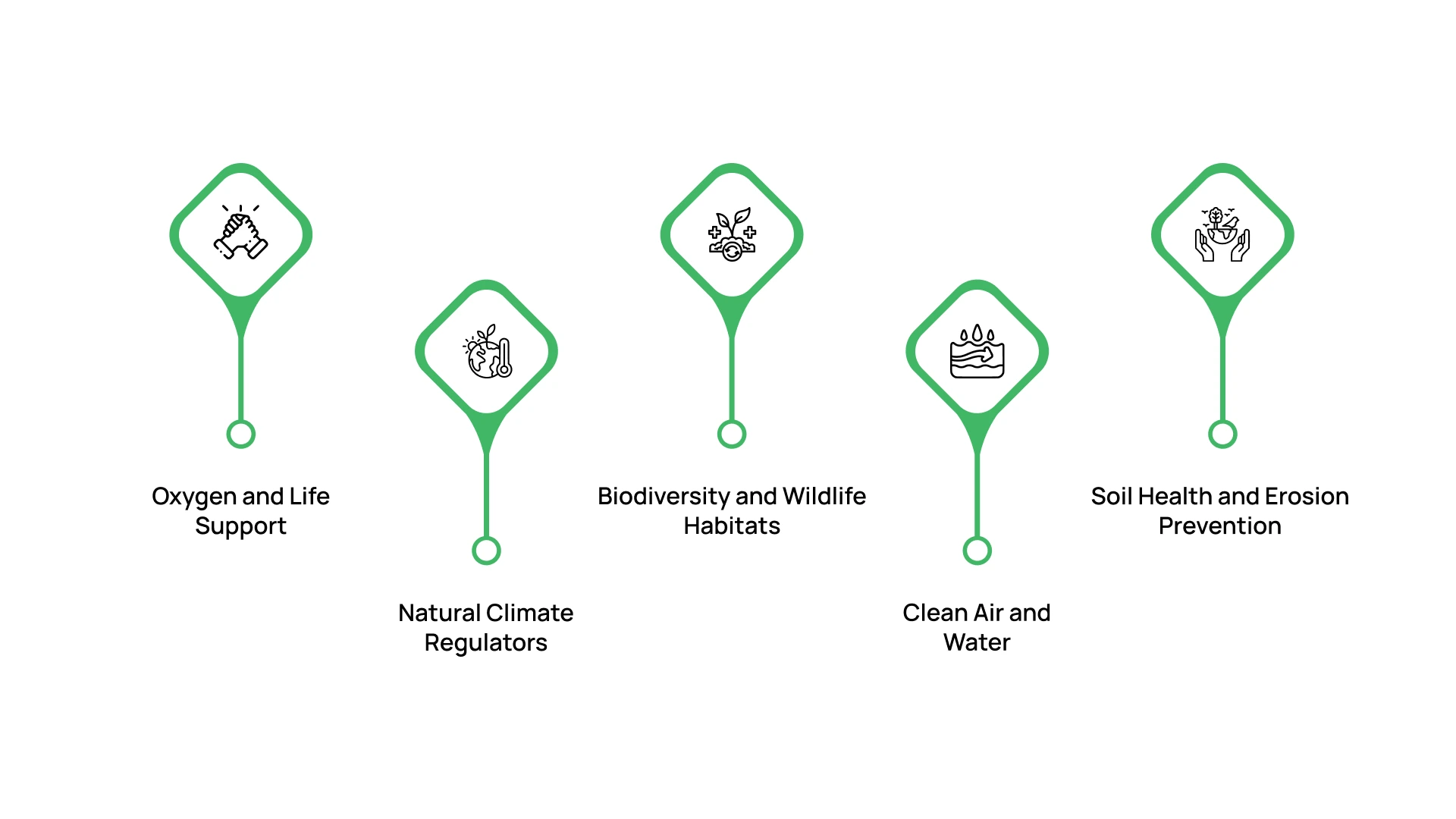
Trees influence far more than what we see on the surface. Here is how trees support the systems that keep life on Earth in balance:
Oxygen and Life Support
Every breath you take is connected to trees. Trees absorb carbon dioxide from the air and release oxygen through the process of photosynthesis. This simple exchange is one of the most important natural processes on Earth. Oxygen is essential for the survival of humans, animals, and many other living organisms, and trees are among its primary sources.
But trees don’t just produce oxygen. They also help maintain the balance of atmospheric gases. By removing excess carbon dioxide, they prevent harmful buildup that can trap heat and disrupt climate patterns. This balance supports stable air quality and a healthier environment for all forms of life.
Natural Climate Regulators
Trees play a powerful role in keeping Earth’s climate in balance.
As they grow, trees absorb carbon dioxide from the atmosphere and store it in their trunks, branches, leaves, and roots. This process, known as carbon sequestration, helps reduce the amount of heat-trapping gases in the air. Fewer greenhouse gases mean a more stable climate and a slower rise in global temperatures.
Trees also cool the environment in more immediate ways. Their shade lowers surface temperatures, and the moisture released from their leaves helps cool the surrounding air. In cities, this natural cooling effect can make neighborhoods more comfortable and reduce the need for energy-hungry air conditioning.
On a larger scale, forests influence rainfall patterns and protect against extreme weather. Healthy tree cover helps regulate water cycles, supports cloud formation, and reduces the risk of droughts and floods.
Biodiversity and Wildlife Habitats
Forests are not just collections of trees; they are living communities.
A single tree can provide food, shelter, and nesting space for birds, insects, mammals, and countless other species. When many trees grow together, they form ecosystems that support an incredible range of life. In fact, most of the world’s land-based plants and animals depend on forests to survive.
Trees offer protection from predators, safe places to raise young, and steady food sources through fruits, seeds, leaves, and insects. From tiny pollinators to large mammals, wildlife relies on healthy tree cover to thrive.
Beyond individual species, trees help keep ecosystems balanced. They support natural food chains, regulate temperature, and maintain the conditions that allow plants and animals to coexist. When forests are protected, biodiversity flourishes. When they disappear, entire ecosystems begin to collapse.
Clean Air and Water
Trees act as nature’s filters. Their leaves trap dust, smoke, and harmful particles from the air, helping reduce pollution in both urban and rural areas. At the same time, trees absorb gases like nitrogen dioxide and sulfur dioxide, which can irritate the lungs and worsen respiratory conditions. The result is cleaner, healthier air for people and wildlife alike.
Trees also play a major role in protecting water quality. When rain falls, tree roots help absorb and slow the flow of water through the soil. This reduces runoff, prevents erosion, and stops pollutants from washing into rivers, lakes, and streams. Forested areas naturally filter water before it reaches our drinking supplies.
In addition, tree cover helps prevent flooding by stabilizing the ground and allowing rainwater to soak in gradually rather than rushing across hard surfaces. This protects communities, farmland, and natural habitats from water damage.
Soil Health and Erosion Prevention
Healthy soil is the foundation of thriving ecosystems, and trees play a major role in maintaining it.
Tree roots hold the ground together, reducing the risk of erosion caused by wind and rain. Without this natural support, soil can easily wash away, taking valuable nutrients with it. Over time, this leads to poorer land quality, damaged waterways, and reduced plant growth.
Fallen leaves and organic matter from trees also enrich the soil. As they break down, they return nutrients to the earth, improving fertility and supporting new plant life. This natural cycle helps forests, farms, and green spaces remain productive and resilient.
In areas with strong tree cover, the land stays more stable, moisture is retained more effectively, and the soil remains healthier for longer. These benefits extend to agriculture, wildlife habitats, and water systems alike.
Disaster Prevention
Trees play a powerful role in how water moves across the planet.
Their roots absorb rainwater and slowly seep it into the ground. This process replenishes groundwater, supports healthy rivers and lakes, and prevents sudden surges of runoff that can overwhelm landscapes. In forested areas, rainfall is returned to the environment in a steady, balanced way.
Tree cover also reduces the risk of flooding. When land is filled with roots and organic matter, water has more time to soak in rather than rushing across the surface. This protects homes, farmland, and infrastructure from damage during heavy rainfall.
In coastal and mountainous regions, trees help stabilize slopes and shorelines. Their root systems reduce the risk of landslides, limit soil movement, and protect against storm-induced erosion. Over time, this natural protection makes communities more resilient to extreme weather.
Human & Mental Well-Being
Trees don’t just support the planet; they support people, too.
Spending time around trees has been shown to reduce stress, improve mood, and help people feel more relaxed. Whether it’s a walk through a park, a quiet moment under a shaded tree, or simply having greenery nearby, nature has a calming effect on the mind.
Trees also encourage healthier lifestyles. Green spaces invite people to walk, exercise, and spend time outdoors, which benefits both physical and mental health. For children, natural environments support creativity, focus, and emotional development.
In urban areas, trees offer relief from noise, heat, and crowded surroundings. Their presence makes neighborhoods more livable and welcoming, creating spaces where people can connect, unwind, and breathe more easily.
Economic & Community Impact
Trees strengthen communities in ways that go beyond the environment.
In cities and towns, tree-lined streets and green spaces make neighborhoods more attractive and enjoyable places to live. This often leads to higher property values, increased foot traffic for local businesses, and stronger community pride. People naturally gravitate toward places that feel greener, calmer, and more welcoming.
Trees also help reduce everyday costs. By providing shade and cooling the air, they lower energy use in nearby buildings. Homes and offices stay more comfortable, reducing reliance on air conditioning during warmer months.
On a broader level, trees support livelihoods. From forestry and agriculture to eco-tourism and conservation work, healthy tree cover creates jobs and long-term economic opportunities. Many communities depend on forests for food, medicine, materials, and income.
What Happens When Trees Are Lost
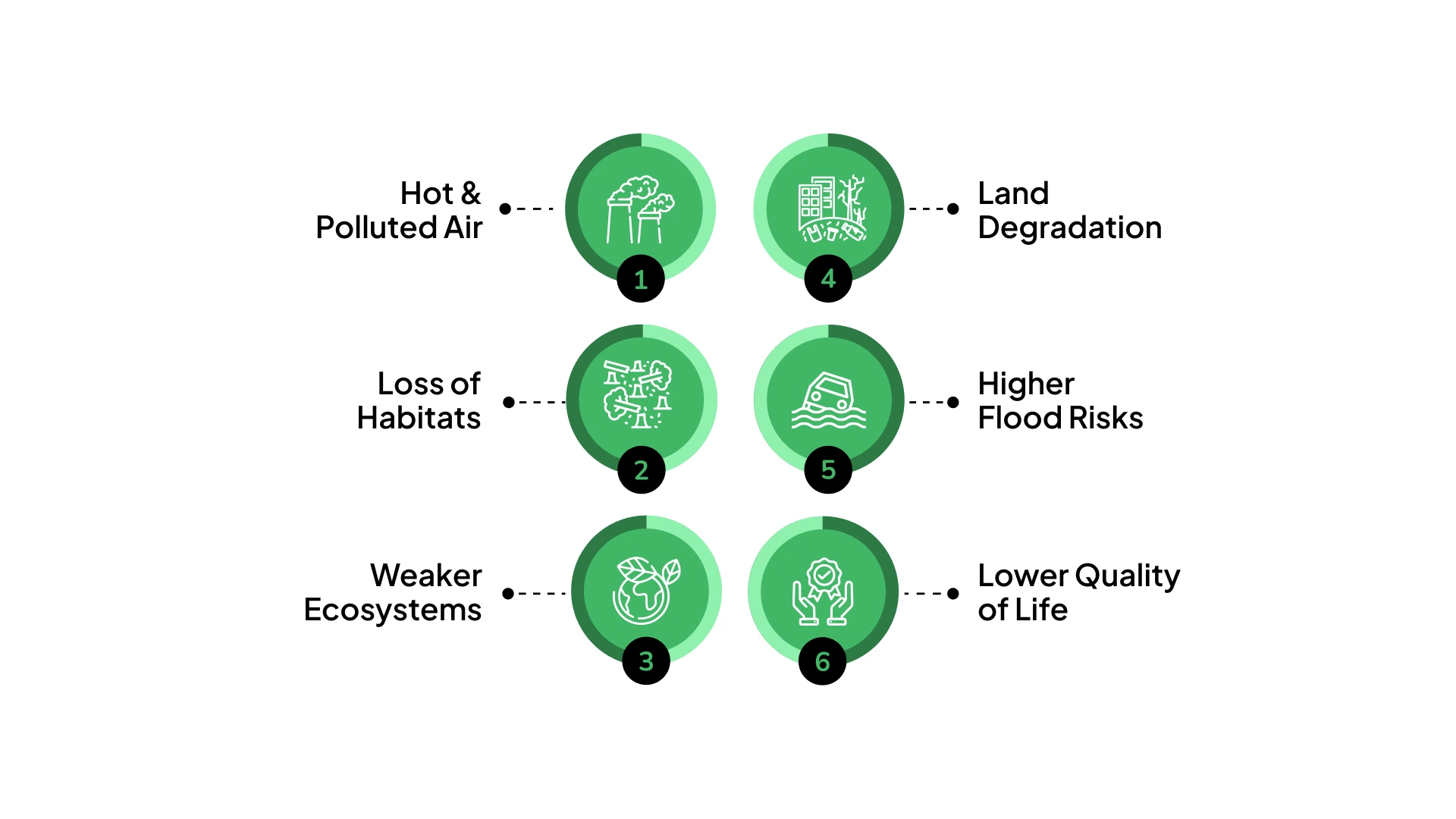
When trees disappear, the effects go far beyond the forest itself.
-
Hot & Polluted Air: Without trees to absorb carbon dioxide and provide shade, temperatures rise, and air quality worsens, especially in urban areas.
-
Land Degradation: Tree roots hold soil in place. When they’re gone, erosion increases, nutrients wash away, and farmland becomes less productive.
-
Loss of Habitats: Many animals depend on trees for food, shelter, and breeding. Deforestation leaves species with fewer places to survive.
-
Higher Flood Risks: Without trees to absorb rainwater, runoff increases, leading to more frequent and severe flooding.
-
Weaker Ecosystems: Forests support entire food chains. Removing trees disrupts these systems and reduces biodiversity.
-
Lower Quality of Life: Fewer green spaces mean more heat, less clean air, and fewer natural areas for people to relax and connect.
Understanding why trees are important also means recognizing what happens when they’re gone. Protecting existing forests is just as important as planting new ones.
Replant Nature’s Support System with Plantd

Trees support the systems that make life on Earth possible. They clean the air, regulate the climate, protect wildlife, and create healthier spaces for people and communities. When forests are strong, the planet is stronger too.
Plantd makes it easy to turn this understanding into meaningful action. Every tree planted helps restore ecosystems, support biodiversity, and build a more sustainable future for generations to come.
With verified reforestation projects, clear impact tracking, and measurable outcomes, Plantd helps turn simple actions into lasting environmental progress.
Protect the trees that protect life.
Start Planting with Plantd