
What Happens to Ecosystems After Forest Fires?
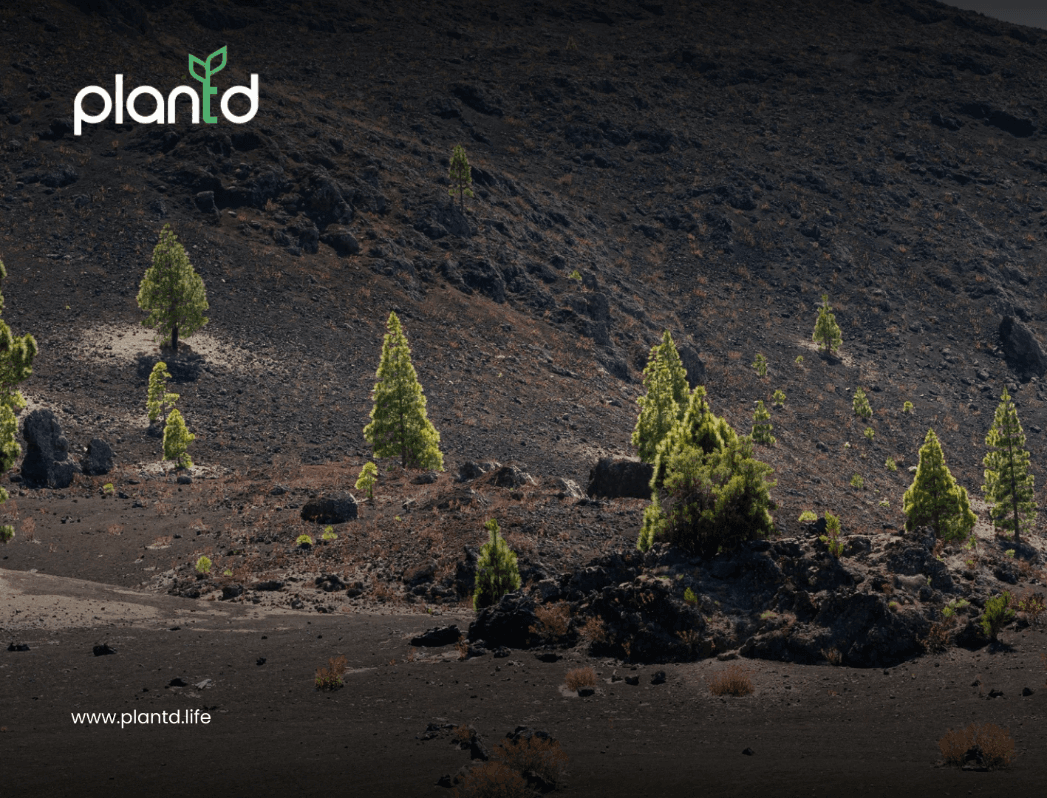
Every year, wildfires burn millions of acres across the United States. Since 2024, the frequency and intensity of wildfires have doubled over the past two decades.
In January, fires swept through parts of Los Angeles, burning roughly 60 square miles of neighborhoods, forcing more than 100,000 people to evacuate, and releasing toxic pollutants as vehicles and buildings went up in flames.
At the same time, large fires were reported in Patagonia in South America, while millions of acres in the Amazon basin burned over the course of the year.
Many forests have always lived with fire. Some tree species even depend on heat to release their seeds, and low-intensity fires can help clear dense undergrowth. But today’s wildfires are often different. Hotter temperatures, longer droughts, and changing weather patterns have made fires harder to control and more destructive to the ecosystems they pass through.
Understanding what happens after a fire is just as important as understanding the fire itself.
When a forest burns, the impact goes far beyond the trees we see. Wildlife habitats shift, soil chemistry changes, and nearby rivers and streams can carry ash and debris for miles. Some landscapes begin to recover quickly, while others take decades to stabilize. In certain cases, forests never return to what they once were.
In this blog, we will examine how forest fires affect ecosystems, how nature responds, and why thoughtful restoration is important for helping forests recover.
The Immediate Impact on Ecosystems
When a forest fire moves through an area, the changes are immediate and visible. Trees, shrubs, and ground cover are often burned away, leaving behind exposed soil and blackened landscapes. For wildlife, this sudden loss of shelter and food can be devastating. Animals are forced to flee, while smaller species that cannot escape may not survive.
The soil also takes a hit. Intense heat can destroy the organic matter that helps soil hold nutrients and water. Without plant roots to keep it in place, the ground becomes more vulnerable to erosion. After heavy rain, ash and loose soil can wash into nearby rivers and streams, affecting water quality and aquatic life.
Air quality is another major concern. Wildfire smoke carries fine particles and toxic gases that can travel hundreds of miles. These pollutants don’t just affect people. They also impact plants, animals, and entire ecosystems by reducing sunlight, altering plant growth, and stressing already fragile habitats.
In some cases, fires burn so hot that they alter the land's structure. Tree canopies disappear, forest floors harden, and natural regeneration becomes more difficult. What was once a thriving ecosystem can quickly turn into an unstable environment that struggles to recover without support.
The aftermath of a fire is not just about what was lost. It is about how deeply the balance of the ecosystem has been disrupted.
How Forests Regrow Over Time
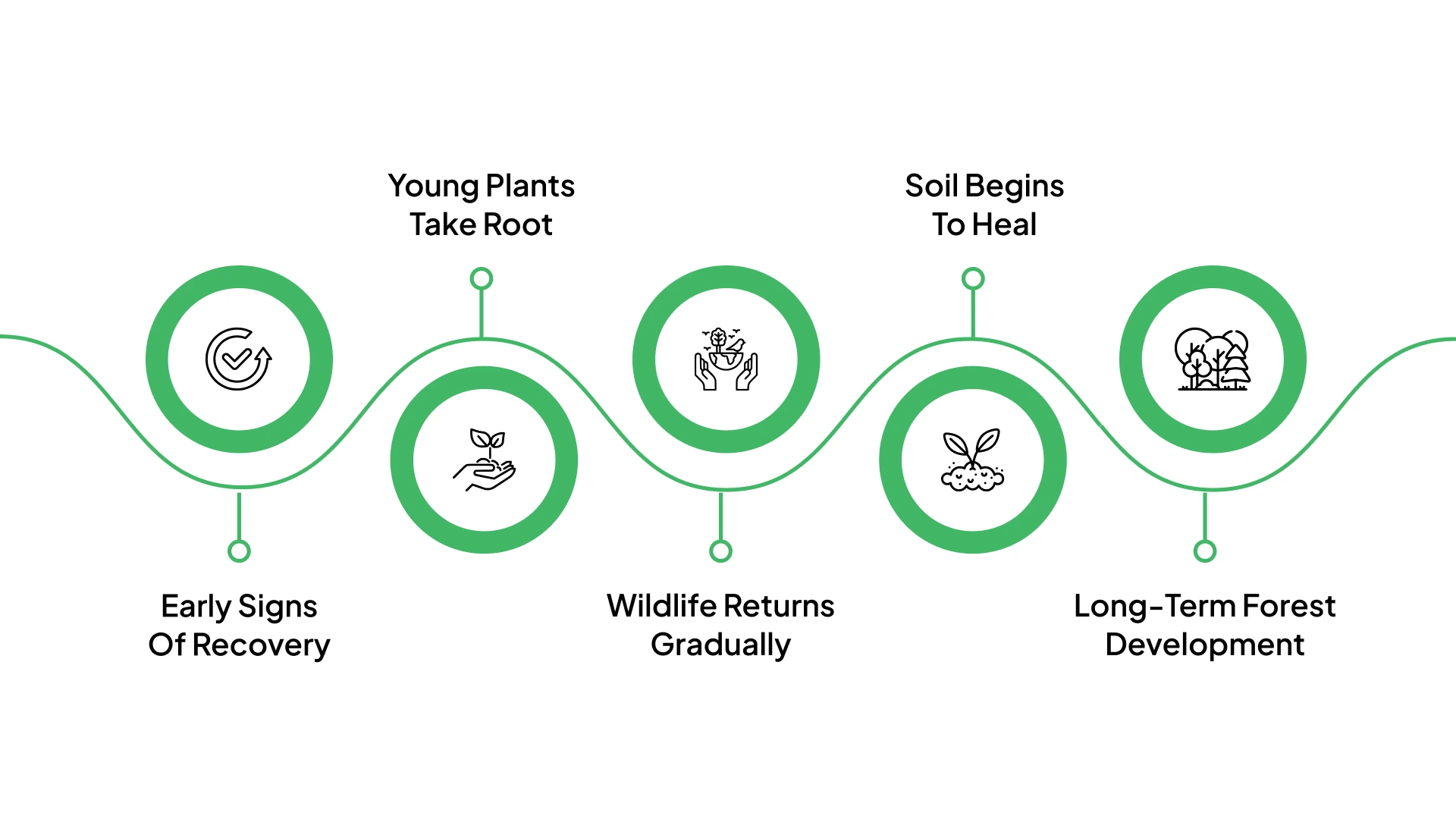
Forest recovery does not happen overnight. After a wildfire, ecosystems rebuild in stages, shaped by soil health, climate conditions, and the severity of the burn. Here is how forests regrow after a damaging wildfire:
1. Early Signs Of Recovery
In the months following a wildfire, the first signs of life often appear on the forest floor. Grasses, wildflowers, and fast-growing plants begin to sprout, helping stabilize the soil and reduce erosion. Insects return quickly, followed by birds and small animals that feed on seeds and new growth.
2. Young Plants Take Root
As time passes, shrubs and tree seedlings start to establish themselves. Some tree species rely on fire to release their seeds, using heat to open cones and spread new growth across the burned area. These young plants slowly rebuild the forest’s structure, creating shade, shelter, and food for wildlife.
3. Wildlife Returns Gradually
With vegetation growing back, animals begin to return. Deer, birds, and small mammals move in as food sources improve. Predators follow once prey populations recover. This slow return helps restore balance to the ecosystem, although the mix of species may differ from what existed before the fire.
4. Soil Begins To Heal
Over time, fallen leaves, plant debris, and decaying roots help replenish organic matter in the soil. This improves nutrient levels and water retention, making it easier for larger plants and trees to survive. Healthy soil plays a key role in supporting long-term forest recovery.
5. Long-Term Forest Development
Full recovery can take decades. As trees mature, they form a new canopy that regulates temperature, protects the forest floor, and supports more complex plant and animal life. While some forests eventually resemble their original state, others evolve into different ecosystems depending on climate, fire severity, and available seed sources.
When Fire Changes the Ecosystem for Good
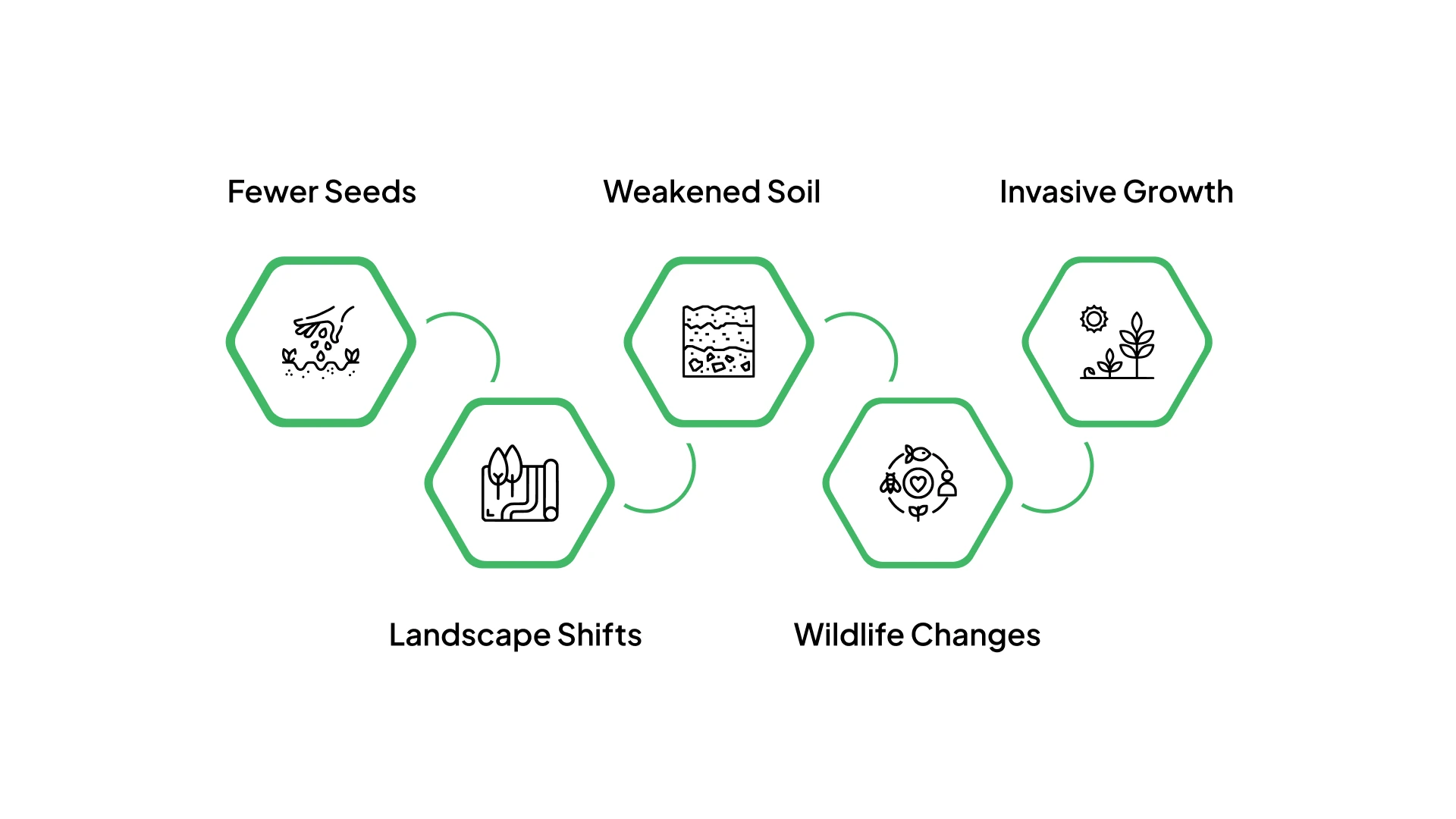
In some cases, forests do not return to their original state after a wildfire. Here is how repeated or severe fires can permanently change the way an ecosystem functions.
Fewer Seeds
When large numbers of mature trees are destroyed, fewer seeds remain to support natural regrowth. Without nearby seed sources, forests struggle to rebuild on their own. Open land often fills with grasses or shrubs rather than trees, altering the landscape’s structure.
Weakened Soil
High-intensity fires can damage the soil’s ability to hold nutrients and moisture. This makes it harder for new plants to take root and survive. Poor soil conditions slow recovery and limit the types of vegetation that can grow back.
Invasive Growth
Burned areas are vulnerable to fast-growing invasive plants. These species often outcompete native plants for space and resources. Over time, they can prevent forests from returning to their natural state.
Landscape Shifts
Repeated fires can turn forested land into grasslands or shrublands. With fewer trees, the land absorbs more heat and holds less moisture. This makes it harder for forests to re-establish, especially in warmer climates.
Wildlife Changes
As vegetation changes, animal populations change too. Species that rely on dense forests may disappear, while those suited to open land move in. This alters food chains and long-term biodiversity in the area.
When fires burn too often or too intensely, they can reshape ecosystems for decades.
Why Reforestation Needs to Be Done Right
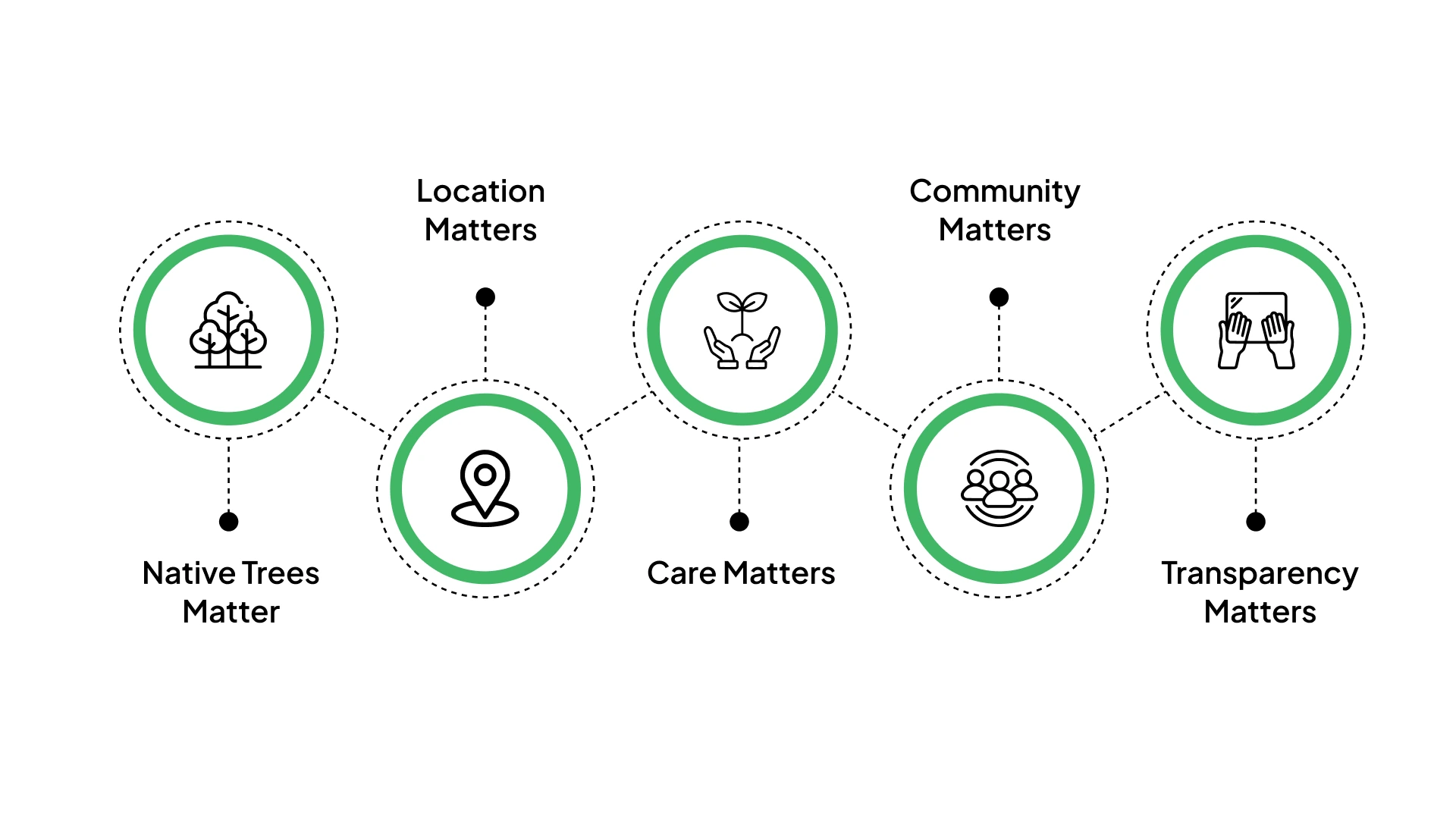
Planting trees after a wildfire can support recovery, but only when it is done thoughtfully. Here is how responsible reforestation helps ecosystems heal in the long run.
1. Native Trees Matter
Trees that naturally belong to a region are adapted to its soil, climate, and rainfall patterns. They also support local insects, birds, and wildlife that rely on them for food and shelter. When non-native species are planted, they may struggle to survive or disrupt existing ecosystems. Native trees help restore balance and support long-term recovery.
2. Location Matters
Not every burned area needs the same type of restoration. Some forests can recover on their own, while others need help due to severe soil damage or loss of seed sources. Reforestation works best when trees are planted in areas where natural regrowth is unlikely. Choosing the right locations ensures efforts lead to lasting results.
3. Care Matters
Newly planted trees face many challenges, including poor soil, harsh weather, and competition from invasive plants. Without proper care, many saplings do not survive beyond their first few years. Ongoing monitoring, protection, and maintenance improve survival rates and help young forests establish strong roots.
4. Community Matters
Local communities play an important role in protecting restored forests. People who understand the land can help prevent future damage, reduce fire risks, and support long-term care. When communities are involved, restoration efforts become more sustainable and better aligned with local needs.
5. Transparency Matters
Clear reporting on where trees are planted and how they are maintained builds trust and accountability. Transparency ensures reforestation efforts lead to real environmental impact, not just short-term numbers. When progress is visible, supporters can see how their actions contribute to long-term forest recovery.
Reforestation works best when it supports natural systems instead of trying to replace them.
How People Can Support Forest Recovery
Forest recovery does not stop once the flames are gone. Here is how individuals, communities, and businesses can play a meaningful role in helping ecosystems heal after wildfires:
1. Support Verified Reforestation Projects
Not all tree-planting efforts are the same. Supporting projects that focus on native species, proper site selection, and long-term care helps ensure forests recover in a healthy and sustainable way. Verified initiatives also provide transparency about where trees are planted and how they are maintained.
2. Fund Restoration Where It Is Needed Most
Some areas recover naturally, while others need active support due to severe damage. Financial contributions help restore ecosystems that have lost seed sources, soil stability, or natural regrowth potential. Targeted funding makes a real difference in long-term recovery.
3. Get Involved Through Fundraising
Schools, nonprofits, and local groups can raise funds for forest restoration while spreading awareness about wildfire impacts. Community-led fundraisers turn environmental action into a shared effort and help support larger reforestation goals.
4. Reduce Future Fire Risks
Simple actions like supporting fire-safe land management, reducing waste, and promoting sustainable practices can lower the risk of future wildfires. Prevention plays an important role in protecting forests before damage occurs.
5. Make Sustainability Part Of Everyday Choices
Supporting eco-conscious brands, reducing emissions, and staying informed about environmental issues all contribute to healthier ecosystems. Long-term change starts with consistent, responsible decisions.
Restore Forests After Wildfire Damage with Plantd
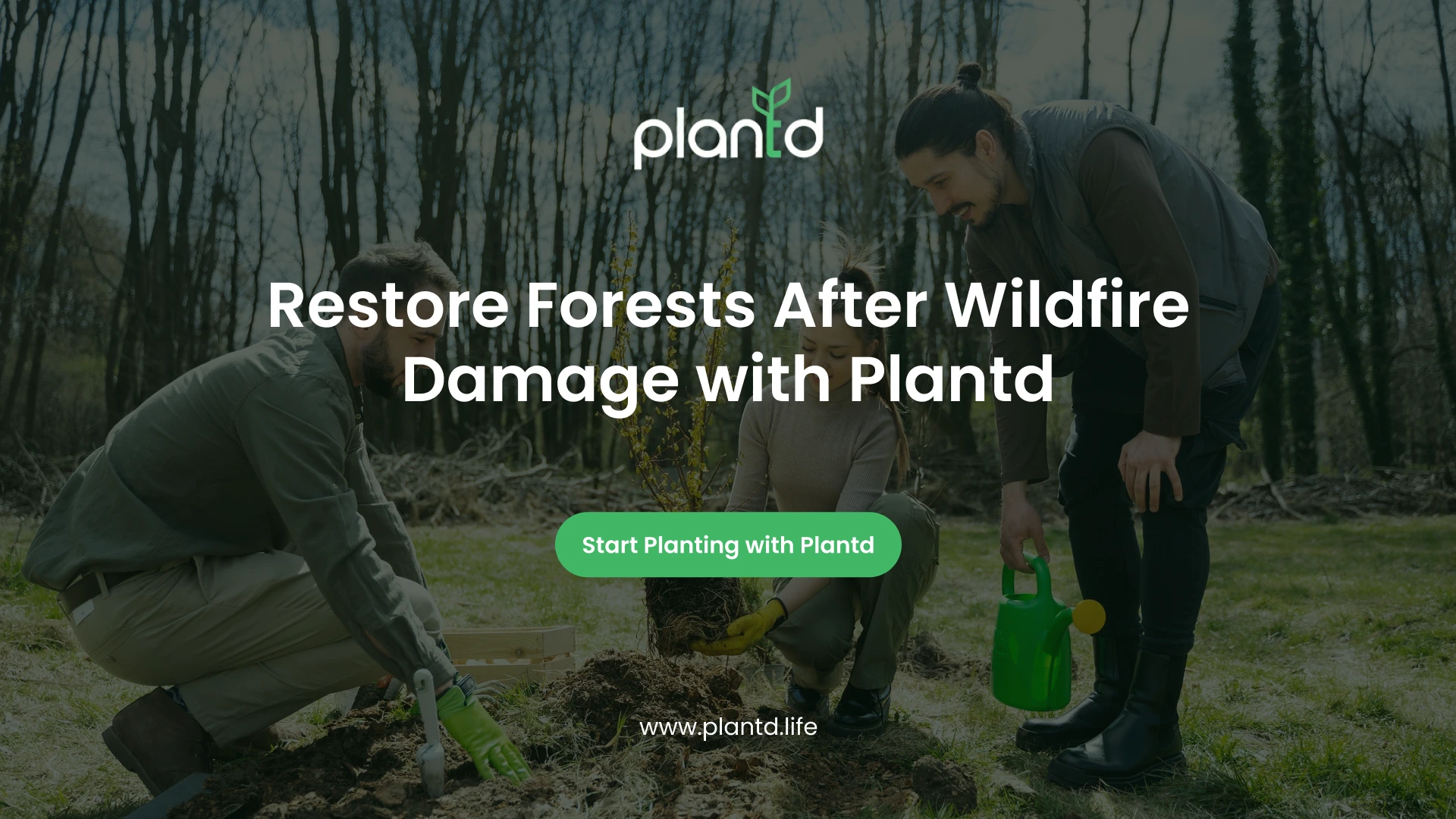
After a wildfire, forests need more than time. They need the right support to heal, rebuild, and thrive again. Healthy trees restore soil, protect wildlife habitats, stabilize water systems, and help ecosystems regain balance. When forests recover properly, entire landscapes grow stronger.
Plantd makes it easy to support thoughtful reforestation efforts that focus on long-term environmental recovery. Every tree planted helps rebuild damaged ecosystems, support biodiversity, and strengthen the natural systems that forests provide.
With verified reforestation projects, transparent impact tracking, and a focus on long-term recovery, Plantd helps restore forests affected by wildfires in a meaningful way.
Support the forests that support life.
Start Planting with Plantd