
5 Signs of a Healthy Forest & What They Reveal | Plantd
Have you ever stepped into a forest and felt that quiet sense of balance, where the air feels cooler, the ground softer, and every sound seems connected? That feeling often means you’re standing in a healthy forest.
A healthy forest is much more than a stretch of green. It’s a living community where trees, soil, water, and wildlife work in sync. Every root, leaf, and organism plays a part in keeping that balance alive. When one weakens, the entire system starts to shift.
These forests don’t just support the natural world; they support us, too. They clean the air we breathe, filter the water we drink, and store carbon that helps steady the climate.
In this blog, we’ll explore five signs of a healthy forest and how each one reveals the unseen strength that keeps our planet thriving.
5 Crucial Signs of a Healthy Forest
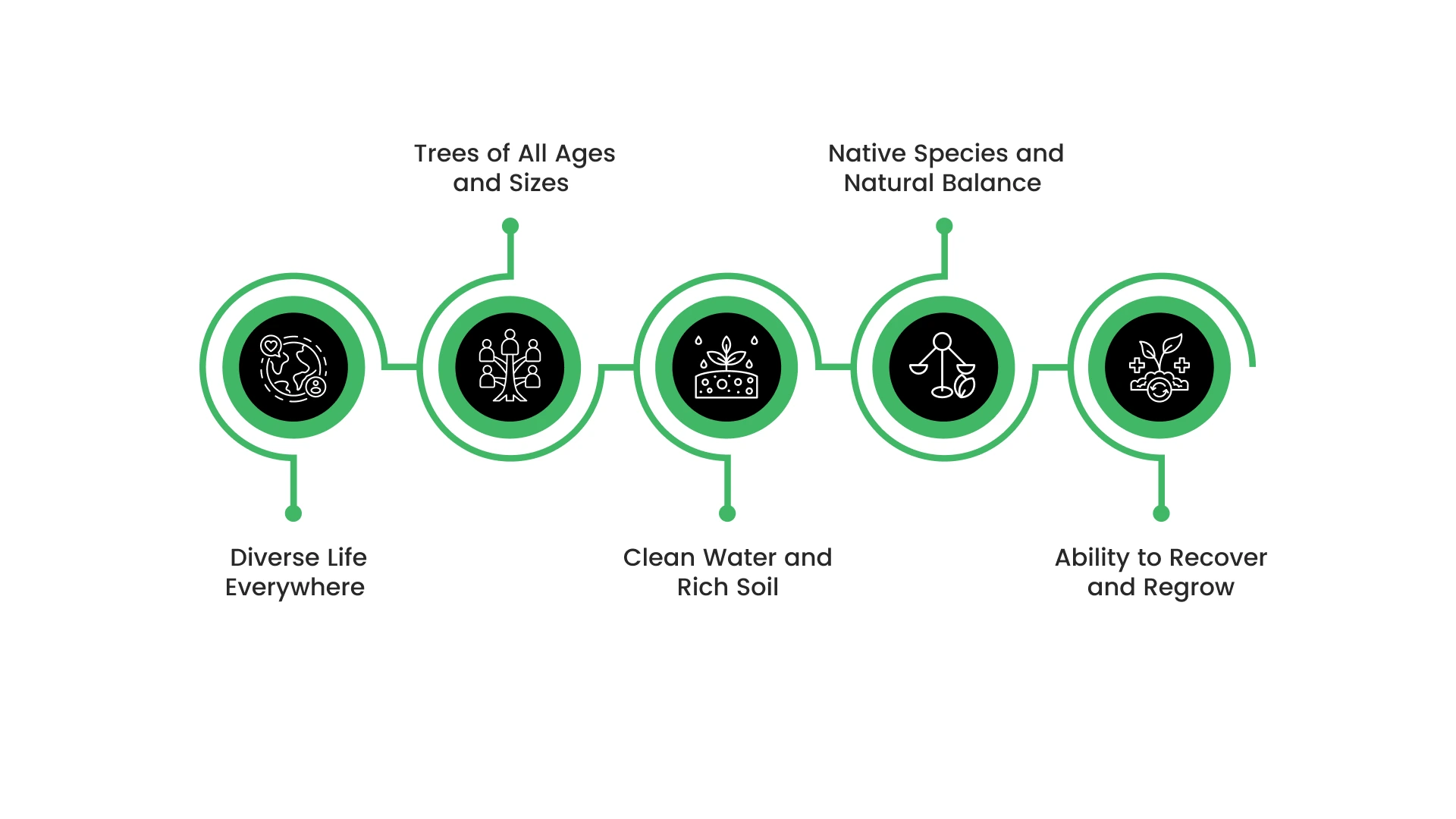
A healthy forest is more than just a collection of trees; it is a thriving system where life, soil, and water work together in balance. Here are five signs that indicate when a forest is genuinely healthy and growing as nature intended:
1. Diverse Life Everywhere
One of the most evident signs of a healthy forest is the abundance of life within it. Every inch of a thriving forest supports something, from fungi breaking down fallen logs to birds nesting high in the canopy.
A healthy forest contains a diverse array of tree species, shrubs, plants, and animals, each contributing to its overall strength in a unique way. Trees of different kinds provide a variety of food sources and habitats. Insects pollinate flowers and recycle nutrients. Fungi and microorganisms in the soil decompose organic matter, returning vital nutrients to the earth. Together, these interactions form a continuous cycle that sustains life.
When biodiversity is high, forests become more resilient to threats such as pests, diseases, and extreme weather. If one species struggles, others step in to fill its role, thereby maintaining the stability of the ecosystem. Monocultures or forests with limited diversity may appear lush but lack this inner strength, making them vulnerable to collapse when faced with stress.
Diversity is the foundation of forest health. It ensures that energy flows efficiently, that regeneration never stops, and that the forest can adapt to whatever changes come its way.
2. Trees of All Ages and Sizes
In a healthy forest, no two trees are alike. Some stand tall and ancient, stretching high above the canopy. Others are just beginning their journey, thin and flexible, reaching for sunlight through the gaps. This variety tells a story of regeneration: a forest that constantly renews itself.
Each stage of growth serves a purpose. Mature trees provide shade, stabilize the soil, and offer nesting spaces for birds and mammals. Younger trees capture sunlight in open areas, helping the forest recover from storms or natural disturbances. Beneath them, seedlings and saplings push through fallen leaves, marking the next generation ready to rise when older trees fall.
This natural layering of life, from seed to giant, is a sign of strength. It means the forest has a built-in system of succession that ensures continuity. When all ages coexist, nutrients move efficiently through the soil, wildlife finds shelter at every level, and carbon storage remains balanced over time.
A forest without this diversity of age often signals imbalance. The presence of many mature trees without new growth points indicates poor regeneration, while a forest consisting only of young trees lacks the stability and shade that older ones provide. A genuinely healthy forest maintains this rhythm of renewal, where every tree plays its part in the cycle of life.
3. Clean Water and Rich Soil
Beneath every healthy forest lies a thriving foundation of soil and water. These two elements form the lifeblood of the ecosystem, feeding trees, nurturing plants, and supporting countless unseen organisms that sustain the forest.
Healthy soil is dark, moist, and full of organic matter. It teems with microorganisms, fungi, and insects that break down fallen leaves and wood into nutrients. This constant recycling fuels new growth, allowing the forest to sustain itself naturally. When soil is compacted, eroded, or stripped of nutrients, the entire system begins to suffer; trees weaken, water runs off too quickly, and regeneration slows down.
Water is just as important. In a healthy forest, streams run clear, not muddy or stagnant. Tree roots hold the soil firmly, preventing erosion and filtering rainwater before it reaches rivers and lakes. Wetlands, ponds, and mossy areas help store moisture, creating microhabitats that support a diverse array of amphibians, insects, and birds.
Soil and water work hand in hand to maintain forest health. When both are in balance, they create conditions that allow trees to grow strong, wildlife to thrive, and ecosystems to recover naturally after disturbances.
4. Native Species and Natural Balance
A healthy forest reflects the identity of its land. Its strength lies in the presence of native species, the trees, plants, and animals that have evolved to belong there. These native species form the foundation of balance, keeping the ecosystem stable and self-sustaining.
Native trees provide the right kind of food, shelter, and nutrients for local wildlife. Their deep roots improve soil structure and water retention, while native plants attract pollinators that help the entire forest regenerate. Birds, insects, and mammals rely on this natural network, each playing a role in keeping the system in harmony.
When invasive species take over, that balance begins to break. Invasive plants often spread rapidly, blocking sunlight and depleting the soil nutrients that native species require. Similarly, non-native pests can devastate tree populations, altering the entire ecosystem in just a few years. These disruptions reduce biodiversity and make forests more vulnerable to drought, fire, and disease.
5. Ability to Recover and Regrow
The actual test of a healthy forest is how well it recovers after disturbance. Whether it’s a wildfire, storm, drought, or pest outbreak, a thriving forest knows how to heal itself. Regeneration isn’t instant, but the signs are easy to see, new shoots sprouting from scorched ground, seedlings taking root where old trees once stood, and wildlife returning as the ecosystem stabilizes.
Recovery begins in the soil. When a forest is healthy, its soil holds seeds, nutrients, and microorganisms that trigger regrowth. Tree roots prevent erosion, fallen logs create shelter for insects, and decomposing matter returns life to the ground. This natural cycle enables forests to regenerate without human intervention, provided they are given sufficient time and protection.
Resilience is what separates a healthy forest from a vulnerable one. A forest rich in biodiversity, with strong root systems and balanced habitats, can adapt to change and rebuild its strength. This ability to bounce back ensures not only the survival of trees but also the continuity of the entire web of life that depends on them.
Common Threats to Forest Health
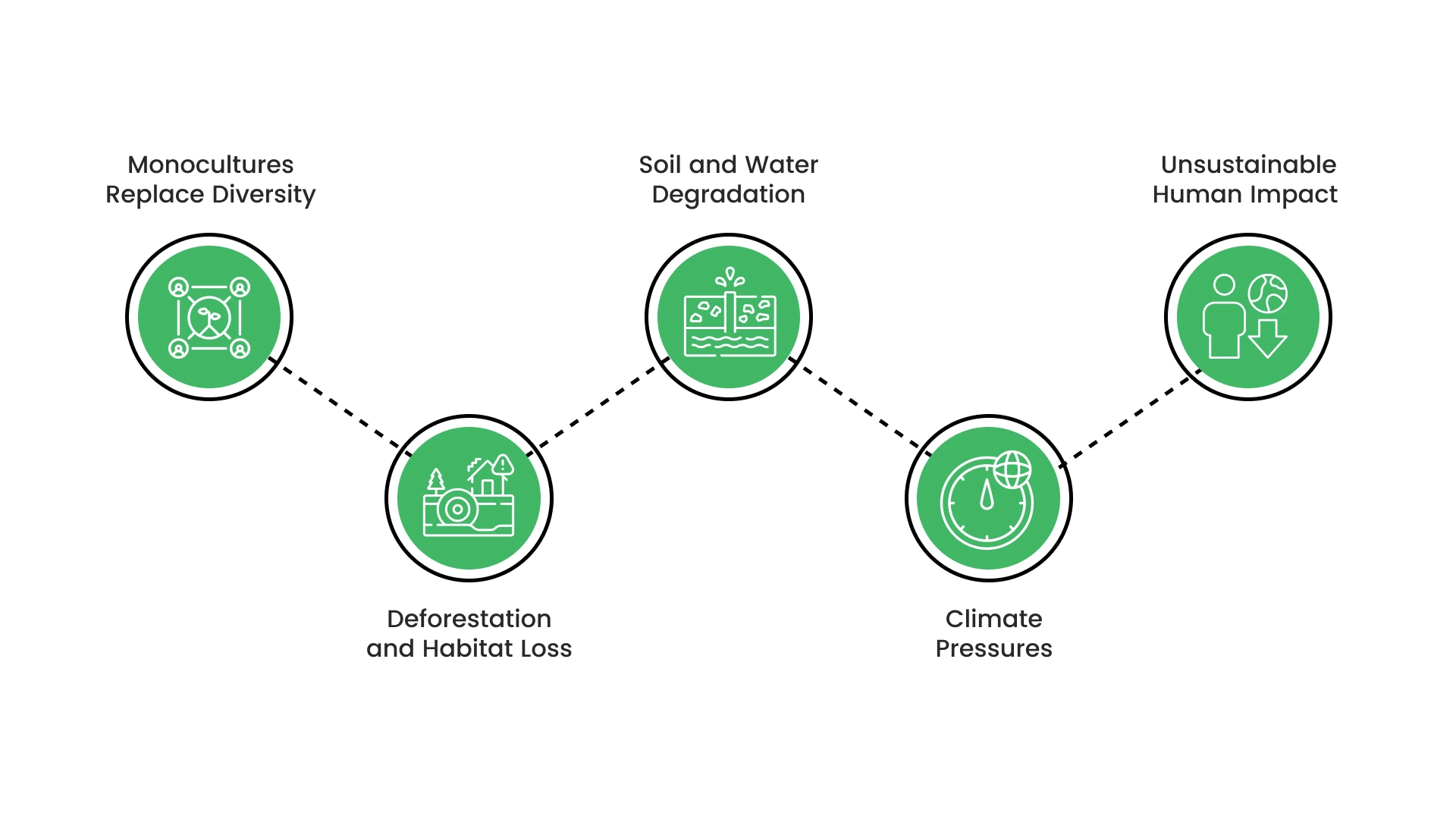
Forests are resilient, but even the strongest ecosystems can falter when natural balance is lost. Understanding what harms forests helps us see why protection and restoration matter so deeply.
1. Monocultures Replace Diversity
When large areas are planted with a single tree species, forests lose the variety that keeps them strong. These simplified ecosystems are more vulnerable to pests, disease, and weather extremes, and they fail to support the wildlife that depends on diverse habitats.
2. Deforestation and Habitat Loss
Clearing forests for agriculture, logging, or development fragments ecosystems and disrupts migration routes, nesting areas, and natural regeneration. Once the canopy is gone, the soil dries out, rainfall patterns shift, and entire food webs collapse.
3. Soil and Water Degradation
Erosion, pollution, and sediment buildup weaken the foundation that forests rely on for their survival. When soil becomes compacted or water is contaminated, roots can’t absorb nutrients, and rivers lose their clarity. Over time, these changes affect every living thing in the ecosystem.
4. Climate Pressures
Rising temperatures, prolonged droughts, and intense storms strain forests beyond their limits. Many species struggle to adapt fast enough, leading to shifts in vegetation and the loss of critical wildlife habitats.
5. Unsustainable Human Impact
Poor logging practices, unmanaged fires, and careless recreation can undo centuries of natural growth and regeneration. When forests are overused without time to recover, they lose their ability to regenerate and protect surrounding landscapes.
A forest’s decline rarely happens overnight. It’s the gradual loss of balance, one species, one tree, one stream at a time. Recognizing these threats is the first step toward restoring forests to full health.
How You Can Help Support Healthy Forests
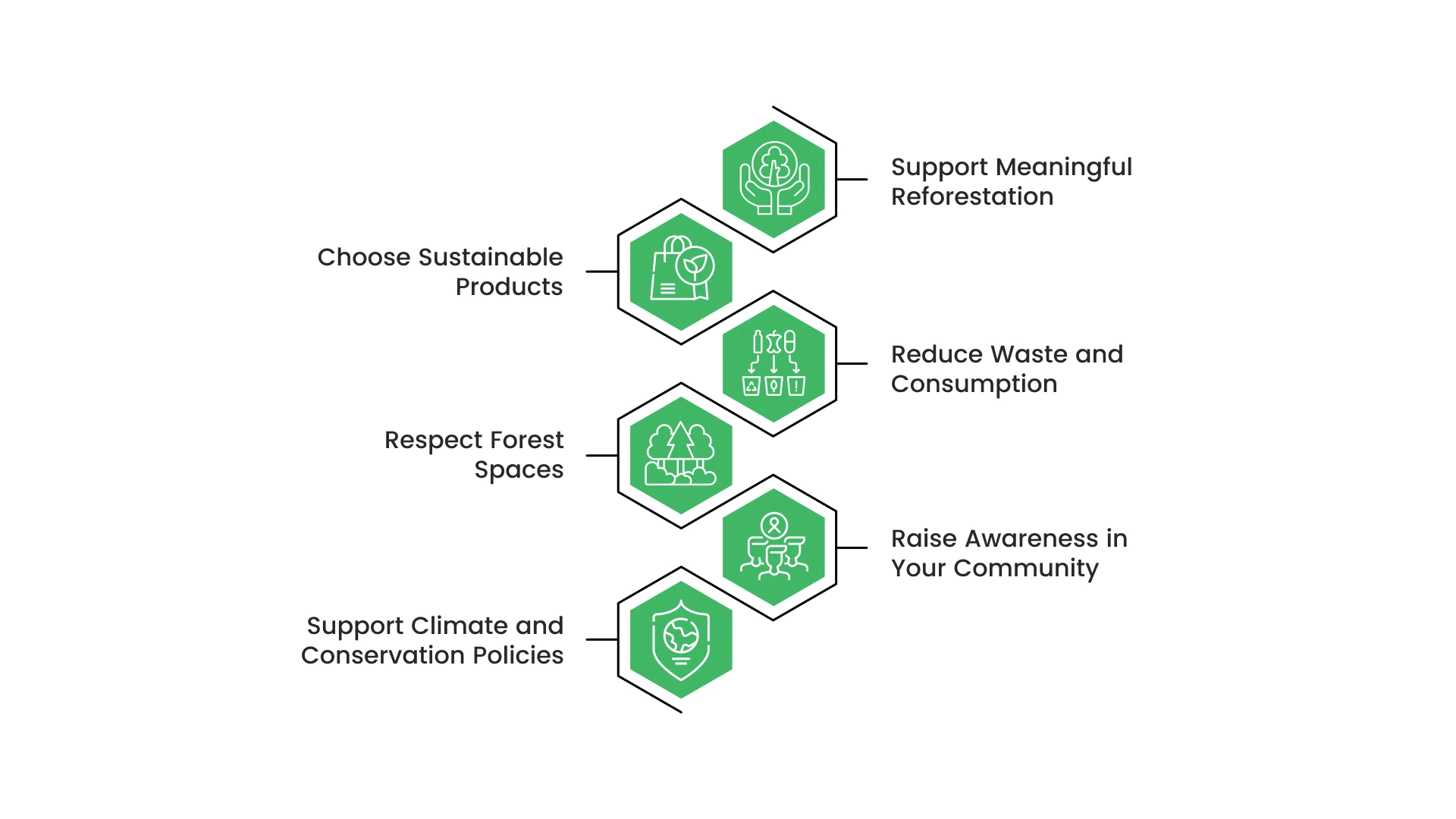
Healthy forests depend on more than conservation laws, they rely on everyday choices made by people who care. Whether you live near a forest or far from one, you can still make a measurable difference in restoring balance to our planet.
1. Support Meaningful Reforestation
Reforestation is one of the most direct ways to restore forest health, but it must be done correctly. Choose projects that focus on native trees, local biodiversity, and long-term growth rather than short-term planting numbers. Platforms like Plantd ensure trees are planted in the right regions and maintained for lasting ecological impact. Supporting such initiatives helps rebuild natural resilience where it’s needed most.
2. Choose Sustainable Products
From paper to furniture, every purchase has an environmental footprint. Look for sustainability certifications, such as FSC or Rainforest Alliance, when purchasing wood, paper, or agricultural products. These labels ensure responsible sourcing, supporting healthy forests and fair working conditions. By making informed choices, you reduce demand for harmful deforestation practices.
3. Reduce Waste and Consumption
Forests feel the weight of our consumption habits. Reducing waste, reusing products, and recycling materials all help lower the strain on ecosystems that supply raw resources. Small steps, such as carrying reusable bags, reducing single-use packaging, and supporting circular economy brands, help preserve forests indirectly yet powerfully.
4. Respect Forest Spaces
When spending time outdoors, be mindful of your impact. Stick to marked trails, avoid picking plants or disturbing wildlife, and carry out your waste with you. Even light recreational pressure can damage soil layers, spread invasive seeds, or disturb nesting areas. Respecting these spaces helps forests stay strong and self-sustaining.
5. Raise Awareness in Your Community
Awareness turns into action. Discuss forest health and the importance of biodiversity with friends, family, and colleagues to raise awareness and promote conservation. Share reliable resources, volunteer locally, or organize tree-planting activities. When more people understand what makes a forest healthy, collective responsibility grows stronger.
6. Support Climate and Conservation Policies
Healthy forests depend on informed decisions at every level, including those made at the policy level. Support legislation and organizations that prioritize conservation, protect old-growth ecosystems, and incentivize sustainable land use. Advocacy helps scale individual action into systemic change that safeguards forests for generations to come.
Be a Guardian of Forest Health with Plantd
Healthy forests are built through care, balance, and restoration. When we plant the right trees in the right places, we give nature the support it needs to recover its strength, renewing ecosystems, enriching soils, and restoring biodiversity.
At Plantd, we make this process simple and meaningful. Every tree you help plant contributes to long-term forest recovery, creating cleaner air, healthier soil, and stronger, more resilient communities. Whether you’re an individual, a team, or a business, your efforts directly support verified reforestation projects that restore natural balance.
With global reforestation projects, real community impact, and verified results you can track, Plantd turns prevention into progress. Together, we can do more than stop fires; we can rebuild what’s been lost and protect what still stands.
Help reforest the future today.
Start Planting with Plantd