
What Are Old-Growth Forests? Characteristics & Ecological Traits
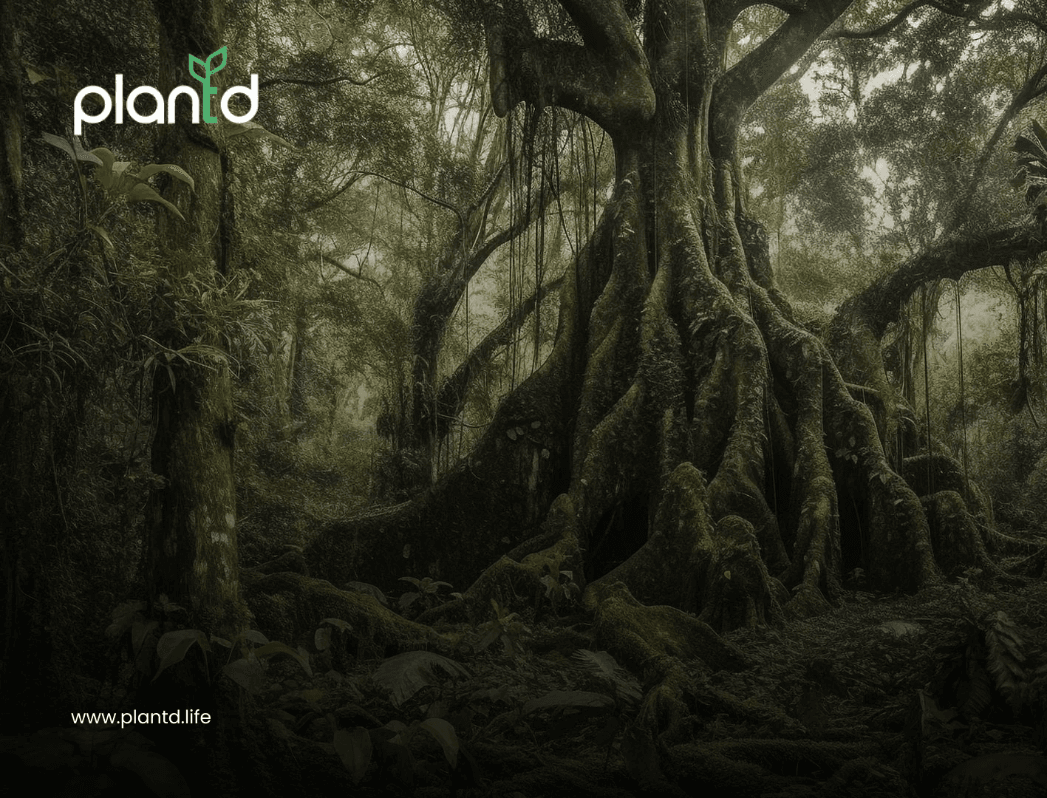
If old-growth forests are so valuable, why is defining them still a challenge?
Despite decades of study, no single definition has captured the full complexity of these ecosystems. Even seasoned foresters often rely on experience rather than formal criteria to identify them. That lack of consistency creates real complications for conservation work, research, and public policy, especially as agencies are asked to identify and protect these areas more formally.
Old-growth forests remain relatively rare across the United States. Federal land assessments show that about 18% of forests managed by the Forest Service and the Bureau of Land Management qualify as old growth, while another 45% fall into the mature category. These numbers highlight how much of this resource has been altered, fragmented, or lost over time.
This blog explores how researchers describe old-growth characteristics, how policy discussions influence those definitions, and why these forests hold such high ecological and cultural value.
What Exactly Is an Old-Growth Forest?
Old-growth forests have a presence that feels immediately recognizable, yet describing them in precise terms has challenged scientists, managers, and policymakers for decades. These forests often contain very old trees, complex structure, and long-established ecological processes, but deciding where they begin and end has sparked ongoing debate.
Why the Definition Has Been So Hard to Pin Down
A common saying among foresters is that they can identify an old-growth forest the moment they walk into one, even if they struggle to define it on paper. This gap between intuition and formal criteria has persisted for years.
One well-known anecdote captures this tension. During a writer’s workshop, University of Arkansas professor Dave Stahle grew frustrated after trying to explain technical concepts such as uneven age distributions and steady biomass. He eventually remarked that old-growth forests are simply “where fairies would live.” The comment drew laughs, and it conveyed the sense of awe these forests inspire, but it offers no guidance for scientific research or policy decisions.
The Push for Clear Definitions
The need for clarity became stronger after Executive Order 14072 directed federal agencies to create official definitions for both mature and old-growth forests and then inventory public lands that meet those criteria. This directive required measurable, consistent standards rather than impressions or assumptions.
Clear definitions support smarter conservation planning, stronger climate-focused strategies, and more reliable long-term forest management. Without shared criteria, agencies cannot track changes, assess threats, or decide which areas require the highest level of protection.
How Do Scientists Study and Define Old-Growth?
Efforts to define old-growth forests have increased in recent years, driven by research priorities, cultural considerations, and national policy requirements. Scientists evaluate these forests through measurable characteristics, while managers often add practical and cultural perspectives based on the areas they oversee. Together, these viewpoints show how complex the concept of old growth can be.
Reviewing the Scientific Literature
Researchers from the Urban Ecology Research Learning Alliance and Virginia Tech examined hundreds of peer-reviewed studies to see how scientists use the terms “old-growth” and “mature.” This review identified the attributes most commonly used to describe forests at advanced stages of development.
The studies highlighted several recurring characteristics, such as:
-
Tree age distribution that includes very old individuals
-
Large amounts of biomass are stored in living and dead trees
-
Presence of standing dead wood and fallen logs
-
Complex canopy structure with multiple layers
-
Ecological processes that operate without major recent disturbance
-
High species diversity within plants, fungi, and wildlife
These traits help researchers distinguish between forests that have developed over long periods and those that have regrown after logging or other disruption.
Insights from National Park Managers
As part of this project, Ethan Frye interviewed park managers in the National Capital Region. Their input helped clarify how definitions shift when cultural history and visitor experience are part of the discussion.
Managers noted that some trees hold significance that extends beyond ecology. Examples include:
-
Cherry trees at the National Mall that reflect international relationships
-
Trees connected to historic events or memorial sites
-
Aging trees that help define the character of long-established parks
These conversations showed that cultural values can shape how people interpret the importance of mature or aging forests. Even when a forest may not meet scientific criteria for old growth, its cultural role can influence how communities view and prioritize it.
Why Do Definitions Depend on Context?
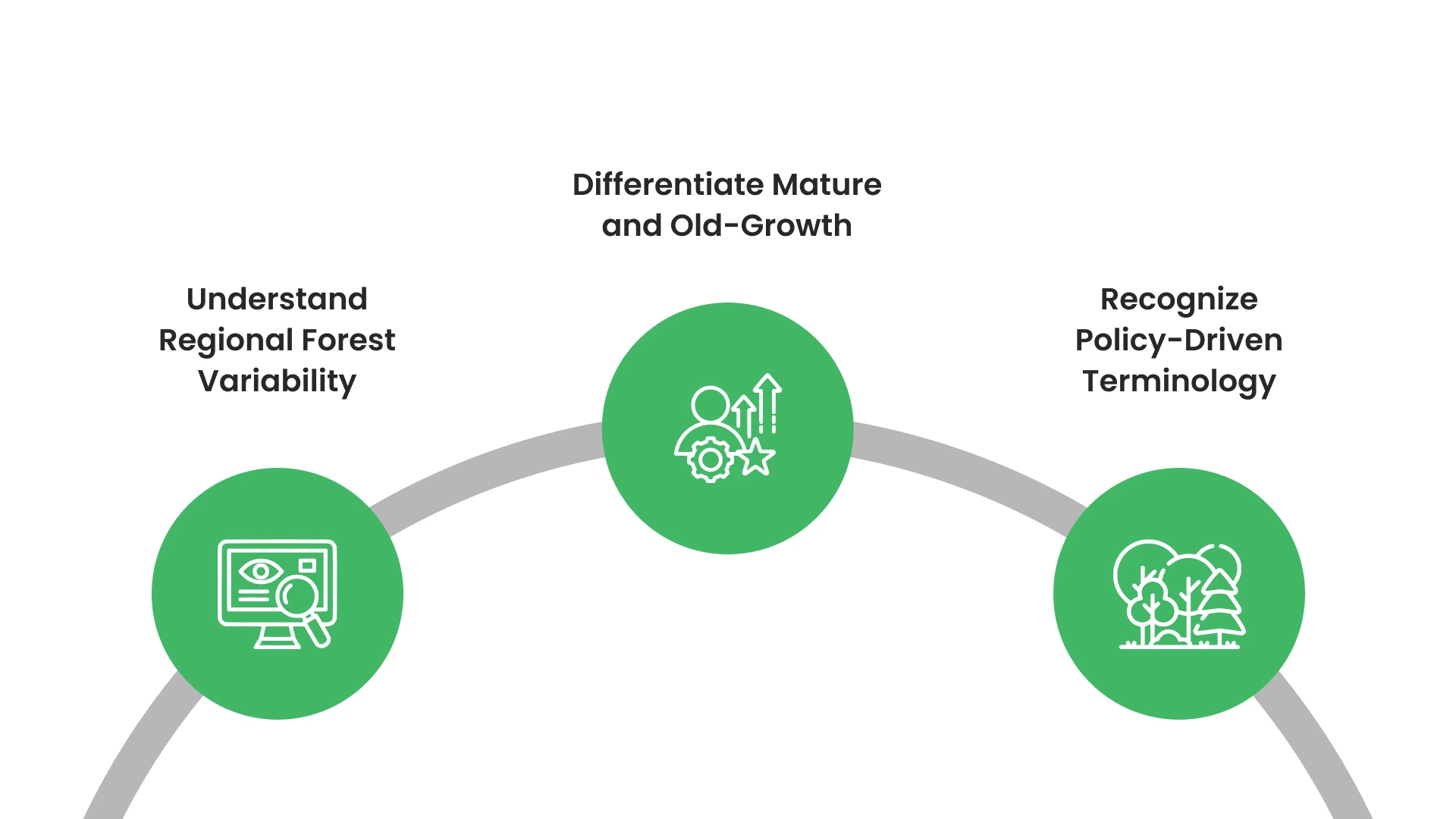
Old-growth forests do not look the same everywhere. Climate, geography, dominant species, and human history shape how a forest develops over time. Because of this variation, a single definition cannot capture every example. Context influences how scientists describe these forests and how managers decide which areas qualify for protection.
Understand Regional Forest Variability
Tree species grow at different speeds and reach different sizes depending on climate and biology. A pinyon pine that reaches fifty-five feet in Idaho is considered impressive for its species, while that same height would be ordinary for a sycamore in West Virginia or a Douglas fir in the Pacific Northwest.
These differences show why height, size, or visual appearance cannot serve as reliable indicators of old growth. Age, structure, and ecological function give a more accurate picture, and these elements vary widely across regions.
Differentiate Mature and Old-Growth
Many parks in the National Capital Region no longer contain forests that meet scientific criteria for old growth. However, they do support mature forests that display advanced structure and long-established ecological processes.
Several features help distinguish mature forests from old growth, including:
-
Broader age ranges within tree populations
-
The amount of standing dead wood and fallen logs
-
Canopy layers that vary in height
-
The degree to which natural processes operate with minimal recent disturbance
These distinctions help land managers identify areas that may recover old-growth characteristics over time and prioritize conservation where the potential remains strong.
Recognize Policy-Driven Terminology
Research terminology often shifts in response to public issues and national policy discussions. The northern spotted owl controversy is one clear example. As scientists and managers debated suitable habitat for the owl, the term “old-growth forest” appeared far more frequently in scientific literature.
A similar trend followed international climate agreements such as the Kyoto Protocol. As interest in carbon storage increased, researchers produced more studies focused on dead wood sampling, carbon accounting, and long-term forest structure. These shifts in language reflect changing priorities in science and society.
Why Are Old-Growth Forests Irreplaceable?
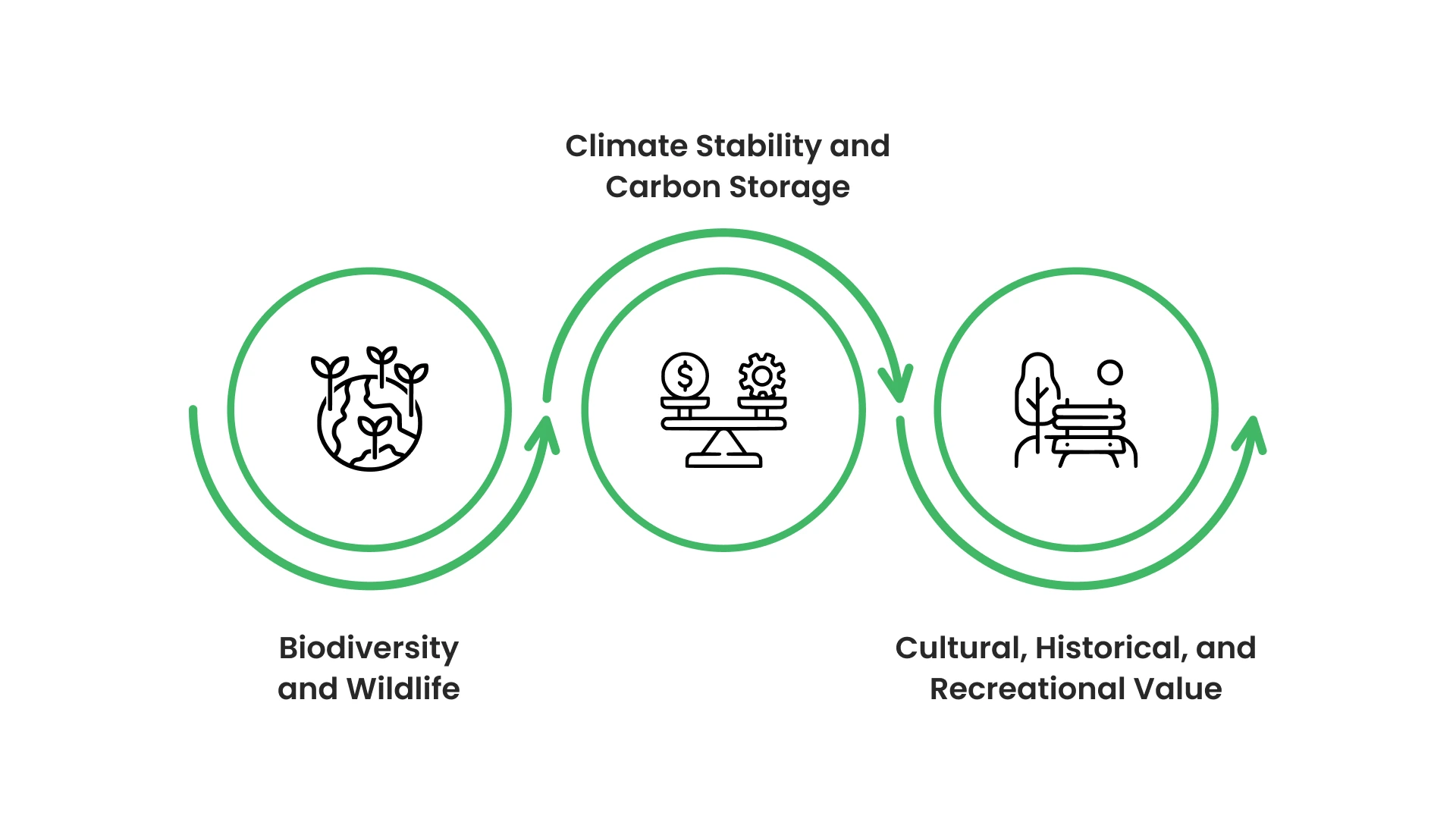
Old-growth forests play important roles in ecological health, climate stability, and cultural identity. Their value extends far beyond age. These forests support relationships among plants, animals, soil, and climate that have developed over long periods. As discussions about conservation gain momentum, the relevance of old-growth forests has become even more apparent.
Biodiversity and Wildlife
Old-growth forests offer habitat conditions that younger forests cannot match. Deep layers of vegetation, varied canopy heights, long-standing tree cavities, and abundant dead wood create shelter and food sources for many species.
The northern spotted owl is a well-known example. Scientists consider this owl an indicator species for old-growth health because it relies on large trees, dense canopy cover, and stable ecological conditions. When old-growth habitat declines, the owl’s population reflects that change quickly. This connection illustrates how critical these forests are for maintaining complex wildlife communities.
Climate Stability and Carbon Storage
Old-growth forests store large amounts of carbon in living trees, dead wood, and soil. Because they accumulate carbon for centuries, they play an important role in climate mitigation. Losing these forests releases stored carbon, which contributes to warming trends.
Tracy Stone-Manning, director of the Bureau of Land Management, summarized this importance by stating that mature and old-growth forests support resilience in the face of climate change and remain central to carbon storage. Her point highlights why conservation efforts focus strongly on these areas.
Cultural, Historical, and Recreational Value
Old forests carry cultural meaning that goes beyond ecology. Trees at the National Mall, the Japanese cherry trees, and historic trees at Theodore Roosevelt Island reflect relationships, diplomatic history, and shared memory. These examples show how trees become part of identity and heritage for many communities.
Visitors often connect with old-growth settings because they offer a sense of continuity and place. Even when a forest does not meet scientific criteria for old growth, its cultural significance shapes how people view its importance.
How Much Old-Growth Do We Have?
Efforts to document old-growth forests across the United States have expanded in recent years. As federal agencies apply clearer definitions, the national picture is becoming easier to interpret, even though measurement challenges still exist. These inventories help guide conservation priorities and create a baseline for future research.
Federal Inventory Findings
A joint report released by federal agencies in 2023 provided the first nationwide assessment built around shared definitions for mature and old-growth forests. The findings included:
-
Approximately 32.7 million acres of old-growth forest, which represents around 18 percent of forests managed by the Forest Service and the Bureau of Land Management
-
Approximately 80.1 million acres of mature forest, which accounts for about 45 percent of those lands
These totals can shift depending on the criteria used. Forest types vary widely across the country, so a characteristic that signals old growth in one region may not apply in another. As definitions continue to evolve, updated inventories will likely reflect these changes.
Limitations of Current Metrics
Most inventories rely on field plot data that focus on physical characteristics such as tree height, diameter at breast height, or total stem volume. While these measurements are helpful, they do not always reflect the complete ecological picture.
Tree size alone cannot reveal how long a forest has persisted without significant disturbance, how complex the canopy structure has become, or how much dead wood is present. A species that grows slowly can be pretty old without appearing tall or wide, while a fast-growing species may reach a large size in a relatively short period.
Because of this variation, standardized metrics sometimes oversimplify the differences among forest types. Recognizing these limitations helps explain why defining and cataloging old-growth forests remains an ongoing process.
Support Old-Growth Forest Conservation with Plantd
Learning how old-growth forests are defined is valuable, yet the real impact comes from supporting the places that remain. These forests store large amounts of carbon, provide habitat for sensitive species, and hold cultural meaning for communities across the country. Protecting them requires steady, long-term commitment, and Plantd gives individuals and organizations a way to take part in that effort.
Plantd focuses on restoring and conserving forested areas that contribute to ecological stability, climate resilience, and long-term ecosystem health. Each project strengthens soil, supports biodiversity, and helps safeguard forests that future generations will rely on.
Each action taken through Plantd supports real conservation work, local employment, and on-the-ground efforts that strengthen the forests we depend on. These areas will shape the environmental future of communities for decades to come. Plantd provides a simple way to help ensure they remain protected.
Be part of that effort. Support forest conservation with Plantd today.