
How to Prevent Forest Fires: 10 Practical Tips That Actually Work
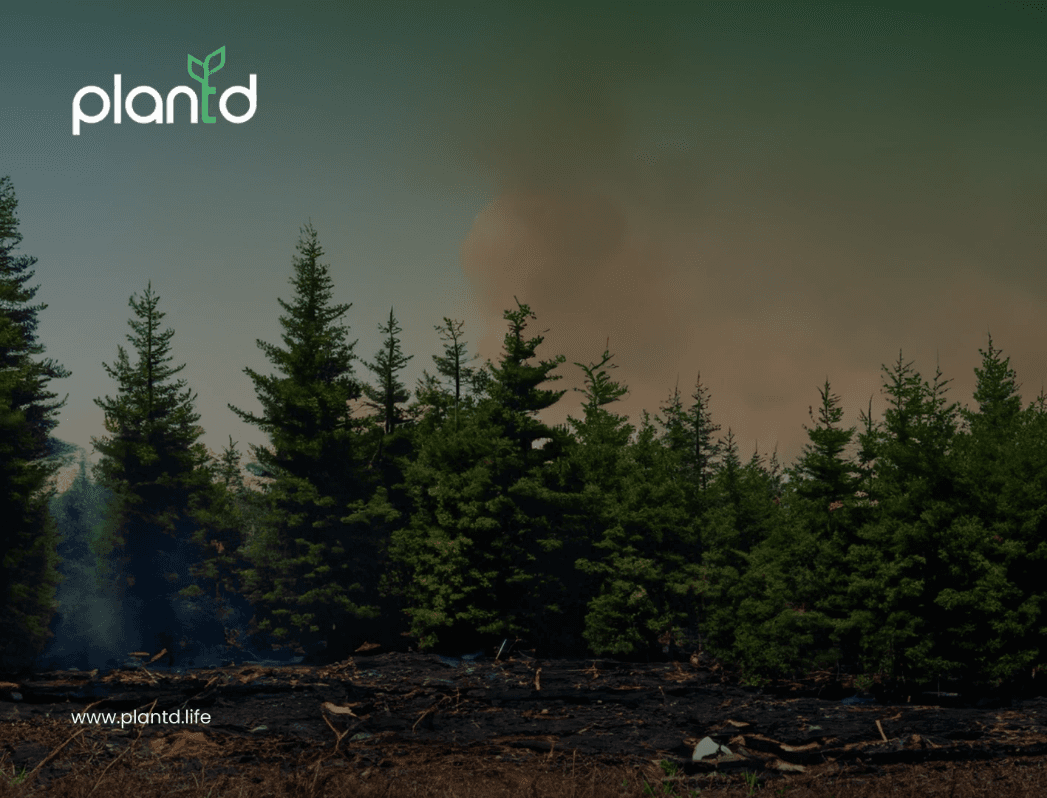
Every year, millions of acres of forest burn, destroying habitats, displacing wildlife, and releasing massive amounts of carbon into the atmosphere. While lightning and drought can trigger some of these fires, nearly 85% of wildfires are caused by human activity.
In 2017, the Eagle Creek Fire in Oregon began when a teenager tossed a single lit firework into a canyon. Within days, more than 47,000 acres of forest were scorched, families were evacuated, and parts of the Columbia River Gorge, one of the most scenic areas in the Pacific Northwest, were closed for years. One careless spark forever changed the landscape.
Incidents like this remind us that forest fires often start small and that most can be prevented. By understanding how they happen and taking a few simple precautions, each of us can help protect forests, wildlife, and the communities that depend on them.
In this blog, we’ll look at 10 practical ways to prevent forest fires that are simple, effective, and proven to make a real difference.
10 Simple Habits to Prevent Forest Fires Before They Start

Preventing forest fires doesn’t require drastic measures; it starts with awareness and a few smart habits. Here are a few ways to prevent forest fires that can make a difference when practiced consistently:
-
Check Fire Danger Levels Before Heading Outdoors
One of the simplest yet most effective ways to prevent forest fires is to know the fire risk before you go. Each day, local forestry departments and weather agencies update fire danger ratings based on temperature, humidity, and wind conditions. These ratings, often displayed on signs near trailheads or available online, tell you how easily a fire could start and spread in your area.
Before you plan a camping trip, hike, or outdoor cookout, take a minute to check your region’s fire danger level. If it’s labeled high or extreme, avoid open flames altogether, even small campfires, charcoal grills, or backyard burning. A single spark can travel farther than you might imagine when conditions are dry and windy.
This small step of awareness can prevent massive destruction. When you stay informed, you not only keep yourself safe but also help protect nearby communities and ecosystems from the devastating effects of wildfire.
-
Build and Extinguish Campfires Safely
Campfires are among the most common causes of preventable wildfires and among the easiest to manage responsibly. If you’re camping, always use a designated fire pit or a spot cleared of dry leaves, branches, and grass. Keep your fire small and controlled, and never build one beneath low-hanging tree branches.
Before lighting up, make sure there are no fire bans or high-risk warnings in effect. Always have a bucket of water and a shovel nearby; they’re your first line of defense if sparks start to spread.
When it’s time to leave, put your campfire out completely. Douse it with water, stir the ashes with a stick or shovel, and then douse it again. The rule of thumb is simple: if the embers are still warm to the touch, the fire isn’t out yet. This small extra effort ensures your night outdoors doesn’t turn into a long-lasting disaster for the forest.
-
Avoid Burning Trash, Leaves, or Yard Waste
Open burning might seem like a quick way to clear your yard, but it’s one of the most common ways wildfires start. A single gust of wind can carry burning debris or embers hundreds of feet, landing on dry grass or leaves and sparking a blaze.
Instead of burning, look for safer, sustainable options. Composting turns yard waste into nutrient-rich soil, and many local waste management services offer seasonal pickup for leaves and branches. If you must burn, always check local regulations, use a cleared, contained area, and never leave the fire unattended, not even for a minute.
The most minor oversight can lead to severe damage. By handling yard waste responsibly, you’re not only protecting your property, but you’re also helping prevent fires that can impact entire neighborhoods and forests.
-
Use Outdoor Equipment Responsibly
Many wildfires start from sources people rarely think about, lawnmowers, chainsaws, power tools, and even vehicles. When used in dry or windy conditions, this equipment can throw sparks, overheat, or ignite dry grass almost instantly.
To minimize risk, use outdoor tools early in the morning when humidity levels are higher and temperatures are cooler. Check that your equipment has a functioning spark arrestor, and keep it well-maintained to prevent friction sparks or fuel leaks. Avoid operating machinery near tall, dry vegetation, and never park cars or ATVs on grass; a hot exhaust pipe can easily trigger a fire beneath it.
If you’re working on property maintenance, keep a hose, bucket of water, or fire extinguisher nearby. Being prepared doesn’t just protect your project; it protects the entire landscape around you.
-
Dispose of Cigarettes and Matches Properly
It takes just one lit cigarette to start a wildfire. Even when the ember looks out, the heat can smolder for minutes, long enough to ignite dry leaves or grass. Tossing a cigarette butt from a moving car or dropping one on a hiking trail might seem harmless, but it’s one of the leading causes of human-related forest fires each year.
If you smoke outdoors, always make sure your cigarette is fully extinguished before disposing of it. Douse it in water or press it into sand until it’s completely cold. Never flick butts out of car windows, and carry a small, fire-safe container if you’re in remote areas. The same rule applies to matches; don’t drop them until you’re sure they’re out.
These simple precautions take only seconds but can prevent years of ecological damage. A small act of care can protect acres of forest, wildlife, and nearby homes from avoidable fires.
-
Create Defensible Space Around Your Home
If you live near wooded areas or grasslands, one of the best ways to reduce fire risk is to create a defensible space around your home. This is a buffer zone, typically 30 to 100 feet, where vegetation is managed to slow or stop the spread of fire. It gives firefighters room to operate safely and can make the difference between a home that survives and one that doesn’t.
Start by clearing dry leaves, pine needles, and branches that can act as fuel. Trim trees so their lowest branches are at least six feet from the ground, and remove any dead or overhanging limbs near your roofline. Store firewood, propane tanks, and other flammable materials at least 30 feet away from your house.
For landscaping, choose native plants with higher moisture content and lower flammability. Replace wooden mulch near the home with gravel or stone, and keep grass short and green when possible. These changes not only reduce risk but also create a more resilient, low-maintenance yard that blends safety with natural beauty.
-
Respect Local Fire Bans and Seasonal Restrictions
Fire bans aren’t meant to spoil the fun; they’re put in place to keep people and forests safe when conditions are too dry or windy for any open flames. Even a small campfire or backyard grill can become uncontrollable when humidity drops and wind speeds rise.
Before lighting anything outdoors, check for local or regional fire restrictions. Many forestry departments post updates online, at park entrances, and even at gas stations or ranger checkpoints. These advisories can change daily, so it’s always worth a quick check before starting a fire.
If a ban is in effect, look for alternatives such as cooking with a portable stove, postponing your bonfire, or planning indoor activities instead. Respecting these restrictions shows not just compliance, but care for your community and the ecosystems that surround it.
-
Celebrate Safely Without Fireworks
While fireworks are beautiful, they’re also one of the most common causes of accidental wildfires. A single spark can ignite dry grass, leaves, or rooftops long after the show is over. In many regions, fireworks are restricted during the summer months for this very reason.
If you’re celebrating a holiday, birthday, or community event, consider safer alternatives. LED sparklers, glow sticks, laser light shows, or organized public displays can all bring the same excitement without the risk. These options are family-friendly, environmentally safe, and far less likely to cause harm.
If fireworks are allowed in your area and you choose to use them, do so in a wide-open space free of vegetation, with a water source or fire extinguisher on hand. And never use them during windy or dry conditions.
Choosing safety doesn’t mean missing out on celebration; it means protecting the forests, homes, and wildlife that make those celebrations possible.
-
Report Unattended Fires Immediately
When it comes to forest fires, every minute counts. What starts as a small flame can spread across acres in just a few minutes, especially under dry, windy conditions. If you ever spot smoke, an unattended campfire, or someone burning debris where it’s not allowed, don’t assume someone else will take care of it.
Call your local fire department or emergency number right away. Provide precise details about the location, size, and visible behavior of the fire (for example, “smoke only” or “flames visible”). If you’re in a national park or forest, alert the nearest ranger station immediately.
Quick reporting often makes the difference between a minor incident and a large-scale wildfire. Acting fast isn’t overreacting; it’s being responsible. When communities stay alert and speak up early, they give firefighters a real chance to contain fires before they grow dangerous.
-
Support Reforestation and Fire Prevention Programs
Preventing forest fires doesn’t stop once the flames are out; it continues with restoration and preparation. Supporting reforestation efforts helps rebuild the natural balance that wildfires destroy, restoring habitats, protecting watersheds, and strengthening ecosystems against future fires.
Many organizations like Plantd work year-round to plant trees, manage vegetation, and create fire breaks that reduce risk in vulnerable areas. Even small contributions, whether through donations, volunteering, or community tree-planting events, can make a tangible impact.
You can also support local fire prevention initiatives, such as community education drives, forest cleanups, or fuel-reduction programs that safely clear dry brush. These projects don’t just help forests recover; they prevent the next disaster before it starts.
Learning how to prevent forest fires is about more than following safety rules. It’s about understanding how small choices create significant change. So the next time you step into nature, take that extra moment to think about your impact. Prevention doesn’t take much effort, just intention. And with that intention, you contribute to something much larger: the protection of forests, wildlife, and communities.
Help Replant What Fires Have Taken with Plantd

Preventing forest fires starts with awareness, but the impact grows when that awareness turns into action. With Plantd, you can help restore the forests that protect our planet, one tree at a time. Every tree planted supports reforestation projects that rebuild ecosystems, strengthen soil health, and create natural barriers that reduce wildfire risk.
Each contribution you make helps forests recover from past fires and prepares them to withstand future ones. Together, we can restore habitats, protect wildlife, and give communities a greener, more resilient future.
With global reforestation projects, real community impact, and verified results you can track, Plantd turns prevention into progress. Together, we can do more than stop fires; we can rebuild what’s been lost and protect what still stands.
Be part of the recovery.
Start Planting with Plantd