
10 Fun Facts About Wetlands That Will Surprise You
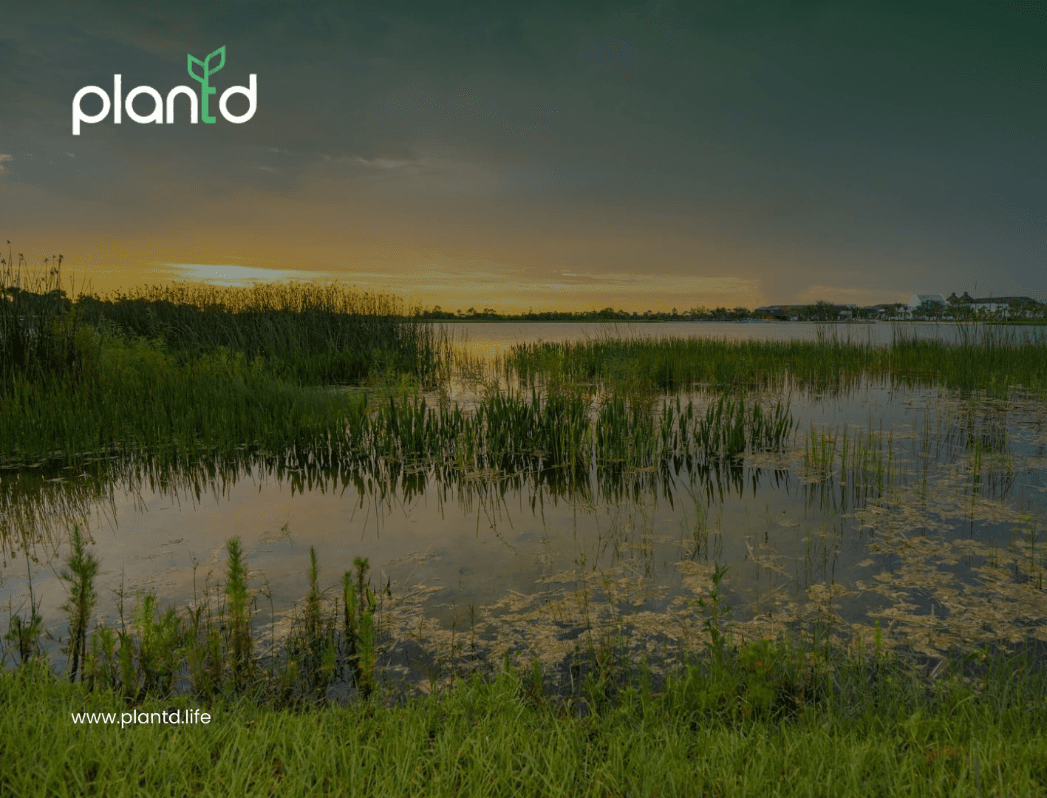
Wetlands are often seen as muddy places of little value or as just swamps taking up usable land. But, they are some of the most valuable ecosystems on Earth, absorbing more carbon per acre than forests, filtering pollutants from water, and shielding communities from floods and storms.
What might surprise you is just how much life depends on them. Wetlands cover only about 6% of Earth’s land surface, but they support nearly 40% of all plant and animal species during some part of their lifecycle. When wetlands are drained or paved over, that loss disrupts global biodiversity and millions of people who rely on them for survival.
In this blog, we’ll look at unique and surprising facts about wetlands that show why protecting them is essential for our future.
10 Little-Known Wetland Facts That Actually Matter

Most people know wetlands help wildlife and store water, but their role goes far beyond that. These ecosystems provide services that directly protect cities and support economies, often without anyone noticing.
Here are the wetland facts that actually make a difference.
-
Wetlands Can Store More Carbon Than Rainforests
This one often surprises many people. Wetlands, especially peatlands, are some of the most powerful carbon storage systems on Earth, even more effective than tropical rainforests. Peatlands cover only about 3% of the planet’s land surface, yet they store nearly half of all soil carbon. That’s roughly twice as much carbon as all the world’s forests combined.
They do this by locking away plant material underwater, where it can’t easily decompose. The carbon stays trapped for thousands of years, unless the wetland is drained or damaged. When that happens, all that stored carbon is released back into the atmosphere, adding to climate change.
So protecting wetlands is one of the simplest ways to preserve huge amounts of carbon where it belongs.
-
Some Wetlands Help Build Land
Coastal wetlands like marshes and mangroves naturally trap sediment carried by rivers, tides, and storms. Over time, that buildup creates new ground. It’s slow, but it’s steady, and it’s happening all the time.
That’s a big deal for places dealing with erosion and rising sea levels. When storms hit, these wetlands help keep shorelines in place instead of letting the ocean take over. Cities like New Orleans and Venice rely on them more than most people realize, because replacing this natural land-building process with seawalls is incredibly expensive and usually less effective.
-
Many Drinking Water Sources Would Collapse Without Wetlands
Before water reaches our taps, it often travels through wetlands where plants, soil, and microbes filter out pollutants, everything from excess fertilizers to harmful chemicals. By the time the water moves on, it’s much cleaner and safer to use.
Did you know that the New York City Department of Environmental Protection (DEP) also agrees that wetlands in the Catskills protect New York City’s drinking water? Instead of spending billions on new filtration plants, the city invests in keeping those wetlands healthy because they do the cleaning job for free. Many major cities rely on similar natural systems and would struggle to supply clean water if those wetlands were to disappear.
In fact, some wetland regions can filter and store so much water that they help prevent shortages during droughts and reduce contamination after heavy storms. When wetlands are destroyed, water systems lose this built-in protection and become more expensive and much harder to maintain.
-
Wetlands Reduce Earthquake Damage
In areas with soft, water-saturated ground, intense shaking can trigger soil liquefaction. That’s when the ground suddenly behaves more like a liquid than a solid, causing buildings, roads, and pipelines to shift or even sink. It’s one of the hidden dangers that turns many earthquakes into major disasters.
Wetlands, however, help stabilize that same soil. Thick layers of plant roots and organic matter act like natural reinforcement. They hold the ground together, helping it absorb and dissipate seismic energy rather than crumble under pressure. Think of wetlands as huge, nature-engineered shock absorbers lying quietly across the landscape.
Communities in seismically active regions, including parts of Japan, New Zealand, and the U.S. West Coast, are now focusing on wetland preservation not just for wildlife, but also for ground stability and disaster resilience. Protecting and restoring wetlands means giving cities another line of defense during a major quake.
-
Firefighting Aircraft Rely on Wetlands as Water Pick-Up Zones
When wildfires break out, every second matters for the aircraft swooping in to stop the flames from spreading. Those planes and helicopters require large, accessible water sources that they can quickly replenish. And very often, that’s wetlands.
Wetlands offer wide, shallow areas where aircraft can safely skim the surface, scoop up thousands of liters of water, and head straight back into the fight. That kind of quick turnaround can make a huge difference when a blaze is threatening homes, forests, and entire communities.
Firefighters in the U.S., Canada, Australia, and Greece all rely on this natural water grid during peak wildfire seasons. Without nearby wetlands, aircraft would be forced to travel much farther between drops, giving fires more time to grow and making the job far more hazardous for responders and residents.
-
Wetlands Support Migratory Birds
Have you ever looked up and seen a V-shaped flock cruising across the sky? Or noticed a bird at your local pond one week and a completely different one the next? Those are migratory birds.
Millions of birds travel incredible distances each year, and wetlands provide the food, shelter, and resting space they need along the way. These stops allow birds to refuel by eating insects, small fish, and plants, so they have enough energy to continue their journey. Without these safe landing areas, many species simply wouldn’t make it to their breeding or wintering grounds.
Different wetlands serve different roles. Coastal marshes might support shorebirds traveling across continents, while inland swamps help ducks, cranes, and songbirds navigate regional routes. Even small wetlands near cities can be vital stepping-stones, especially as natural habitats continue to shrink due to development.
Scientists track bird migration and notice clear patterns: when wetlands are drained or polluted, bird numbers drop. When protected wetlands are restored, populations begin to recover. Migratory birds depend on these habitats as part of a larger global network that keeps their life cycle intact.
-
Mosquito-Eating Species in Wetlands Prevent Disease Spread
Wetlands are often blamed for breeding mosquitoes, but that’s only half the story. What many people overlook is that wetlands also host the species that keep mosquito populations under control. Fish like mosquito minnows, dragonfly larvae, frogs, and even certain birds feed on mosquitoes and their larvae every single day.
When wetlands are destroyed or drained, the natural predators that inhabit them disappear. Mosquitoes, however, are extremely adaptable and quickly move into places with stagnant water. That’s when mosquito-borne diseases become more of a concern.
Communities that invest in healthy wetlands often see fewer mosquito-related issues because the ecosystem performs pest control for free. Researchers have found that restored wetlands can significantly reduce mosquito larvae simply by bringing back the wildlife that relies on them as a food source.
So, instead of being a mosquito problem, healthy wetlands are actually part of the solution, helping reduce disease risks and improving the overall balance of nearby environments.
-
Wetlands Record Earth’s History Better Than Libraries
If you want to know what Earth looked like thousands, even tens of thousands, of years ago, wetlands hold the receipts. Layers of wetland soil trap pollen, seeds, insects, and even tiny chemical traces that reveal to scientists what the climate, vegetation, and wildlife were like in the past. Because the ground stays wet and low-oxygen, these materials don’t break down quickly, so the record stays intact.
Researchers study cores of peat or sediment like a timeline. A few inches down might reveal which plants were growing 200 years ago. Go deeper, and you could be looking at what the world was like when mammoths still roamed. These samples help us understand past droughts, floods, forest changes, and even human activity.
By comparing the past with what’s happening now, scientists can better predict how climate change could impact our future. Wetlands give us evidence about how environments respond over long periods of time.
-
Some Wetland Plants Can Remove Toxic Metals from Soil
Let’s say you’re looking at land polluted with heavy metals like lead or arsenic. Typically, cleaning it up would involve specialized equipment, high costs, and significant disruption. But wetlands have a natural workaround. Certain plants can actually extract those harmful metals from the soil and safely store them.
This process is called phytoremediation. Plants like cattails, reeds, and duckweed absorb contaminants through their roots as they grow. Instead of those metals spreading into nearby water or entering the food chain, they stay trapped inside the plant tissues. Cities can then remove or manage those plants to gradually clean up the area.
It’s a slow process, but it works without the use of chemicals or unnecessary environmental damage. In places where industrial pollution once made the land unsafe, restored wetlands are helping turn those sites back into usable habitats.
While we might not notice it happening, these plants are quietly reducing risks and improving land health one root at a time.
-
“Ghost Forests” Show Wetlands Losing the Climate Battle
You’ll see clusters of dead, gray tree trunks standing upright, almost like a forest frozen in time, along many coastlines. These are called ghost forests, and they are one of the most explicit warnings that wetlands are under pressure.
As sea levels rise and saltwater moves farther inland, freshwater trees and plants can’t survive the change in soil chemistry. They slowly die off, leaving behind a stark reminder that the environment around them is shifting faster than they can adapt. The land that once supported forests gradually transforms into marsh or open water.
Researchers track ghost forests because they reveal exactly where wetlands are retreating. That helps scientists understand how quickly coastlines are changing, which communities are at risk of future flooding, and where restoration efforts are most needed.
It’s a tough reminder that wetlands are facing real climate threats. But spotting ghost forests early allows experts to protect nearby wetlands, support resilient plant species, and plan smarter land use before more habitat is lost.
Help Restore the Wetlands That Protect Our World with Plantd
Learning about wetlands is a great first step, but supporting them is the one that really makes a difference. With Plantd, you can help rebuild and protect these ecosystems that quietly keep clean water flowing, provide homes for wildlife, and shield communities from floods and storms.
Every action you take contributes to restoring marshes, swamps, and peatlands that store carbon, filter pollution, and sustain species that can’t survive anywhere else. Healthy wetlands help stabilize coastlines, support biodiversity, and preserve nature’s built-in climate defenses.
Wetlands don’t ask for much, but they give us a lot. With verified conservation impact, local job support, and measurable outcomes, Plantd Wetlands turns awareness into real-world protection.
Be part of the solution and help wetlands continue doing what they do best.