
The Role of Different Types of Forests in Balancing Our Planet’s Clima
Forests are the planet’s oldest climate engineers, quietly shaping the Earth’s atmosphere long before humans understood the concept of “climate.” They regulate temperature, store immense amounts of carbon, and nurture an astonishing range of life.
From the dense, humid canopies of tropical rainforests to the frost-kissed branches of boreal woodlands, every forest type plays a vital role in maintaining the planet’s delicate equilibrium. Together, they form a vast, living network, one that breathes, cools, and sustains the Earth.
But forests don’t act alone. They are home to more than 80% of terrestrial species, a vibrant web of plants, animals, fungi, and microorganisms that all contribute to the planet’s stability. Trees capture carbon, roots bind the soil, fungi recycle nutrients, and animals disperse seeds to ensure regeneration.
When forests thrive, ecosystems flourish: rivers run cleaner, air becomes purer, and wildlife, from elephants shaping clearings to eagles patrolling the skies, helps maintain the balance between land, water, and air.
Each forest, whether tropical, temperate, or boreal, plays a distinct yet interconnected role in regulating Earth’s climate. Let’s explore how these diverse ecosystems work together, and how their inhabitants form the intricate partnerships that keep our planet alive and resilient.
Also, we’ll discuss how the efforts made by Plantd can help these forests breathe more.
1. Tropical Forests: The Planet’s Climate Engine
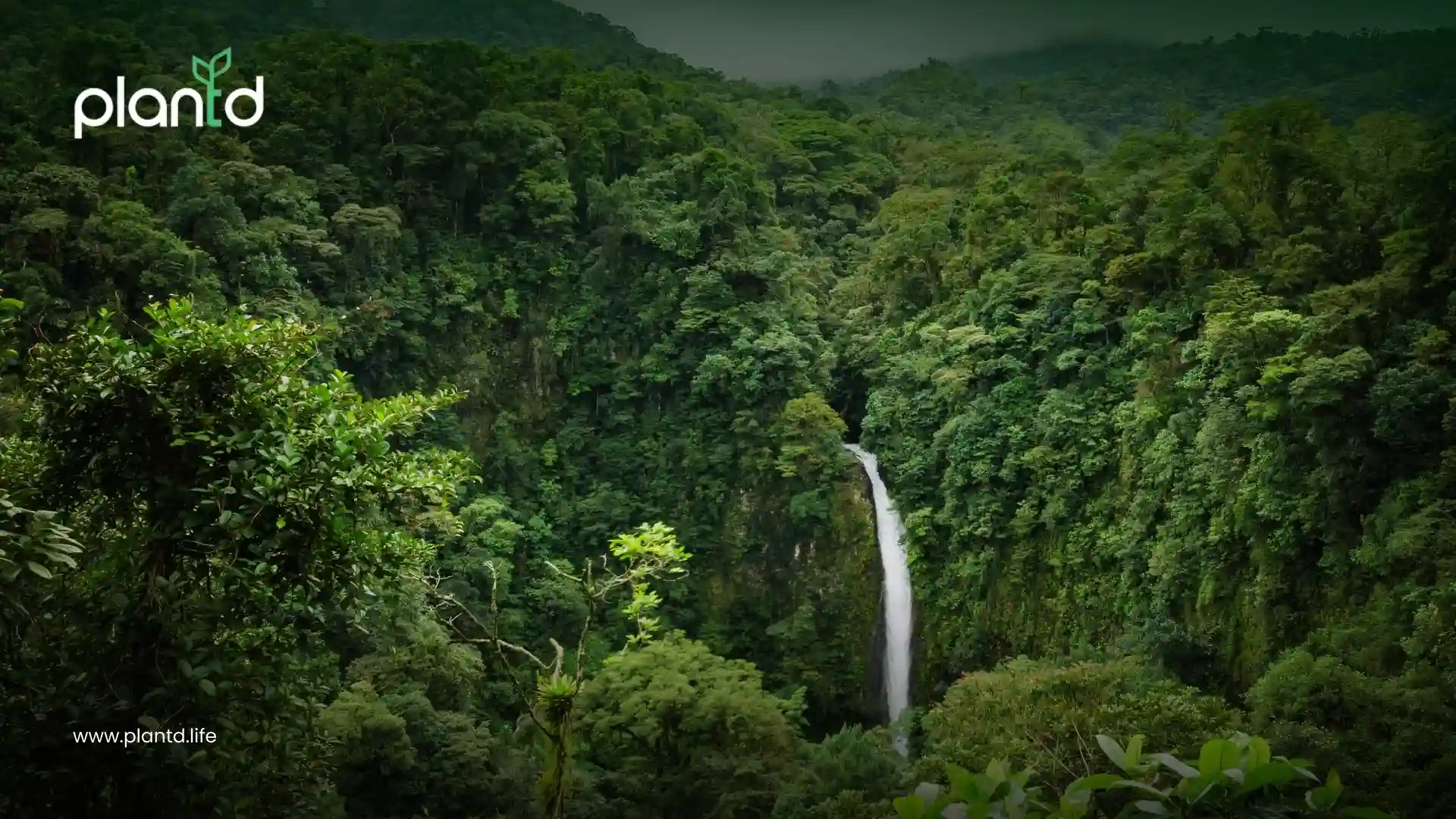
Located between the Tropics of Cancer and Capricorn, tropical forests are warm, humid, and endlessly alive. The Amazon, Congo Basin, and Southeast Asian rainforests are among the most biodiverse ecosystems on Earth, covering just 7% of land but home to over half of all known species.
How They Balance the Climate
Tropical forests absorb billions of tons of carbon dioxide each year, acting as one of Earth’s most potent natural carbon sinks. Their dense canopies trap heat and moisture, driving rainfall patterns that shape weather systems across continents.
Wildlife and Interdependence
From the jaguars of the Amazon to the orangutans of Borneo and the forest elephants of Central Africa, these forests are lifelines for wildlife.
-
Fruit bats, bees, and birds pollinate thousands of plant species daily.
-
Leafcutter ants decompose organic waste, recycling nutrients back into the soil.
-
Primates, especially howler monkeys and tamarins, disperse seeds across vast distances, ensuring regeneration.
When one species disappears, so does part of the forest’s self-sustaining system.
The Threat
Logging, mining, and agriculture have cleared over 10 million hectares of tropical forest every year, releasing stored carbon and pushing countless species to the brink.
2. Temperate Forests: The Earth’s Seasonal Moderators
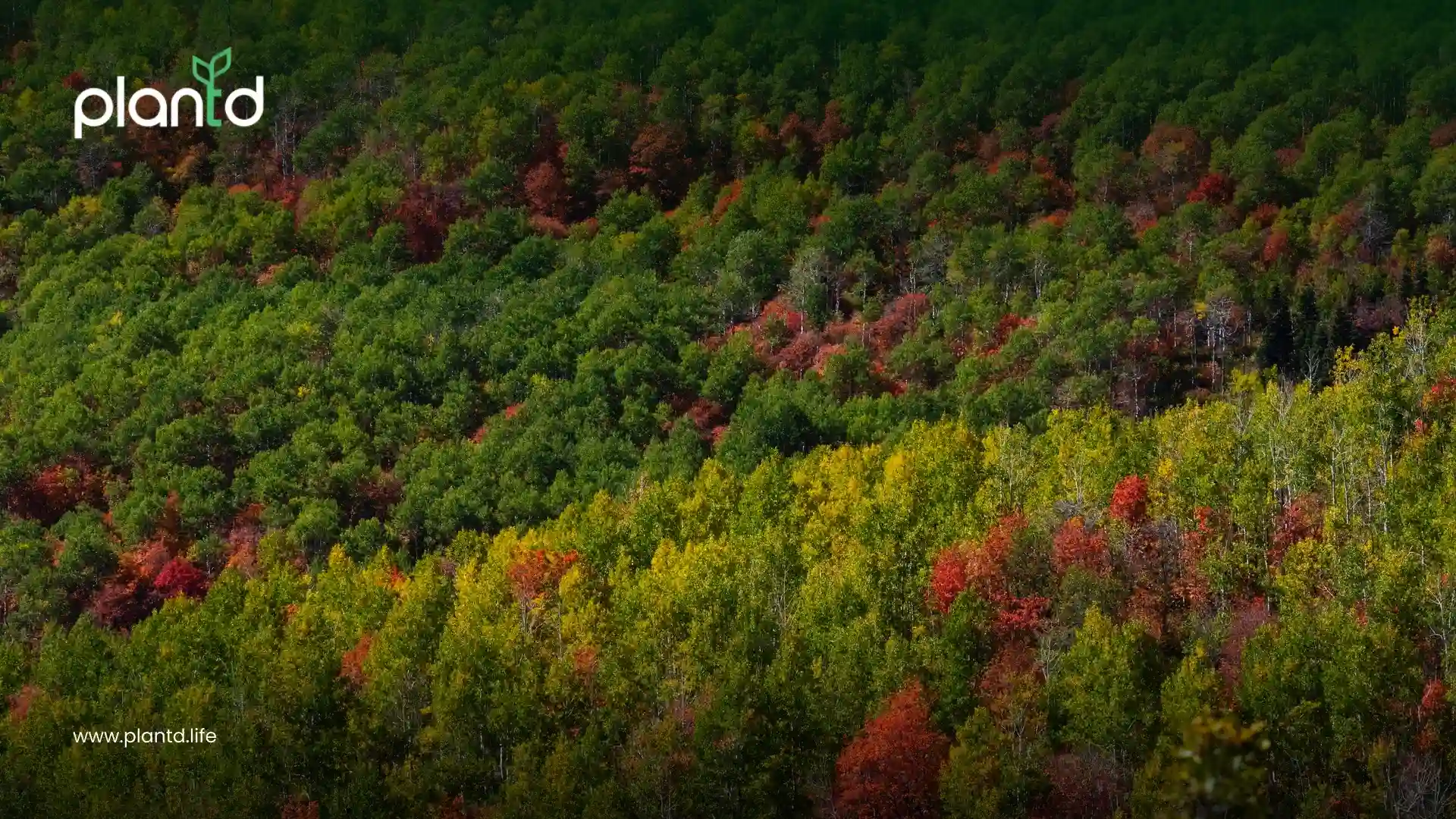
Temperate forests stretch across North America, Europe, and East Asia, where deciduous trees shed their leaves in autumn and bloom again in spring. Their rhythms mirror the planet’s own cycles of rest and renewal.
How They Balance the Climate
Temperate forests moderate temperatures through seasonal carbon exchange, absorbing CO₂ in summer and releasing smaller amounts in winter. Their fertile soils, rich with decomposed leaves, hold carbon for centuries.
They also act as climate buffers, reducing flood risks and stabilizing local weather patterns.
Wildlife and Interdependence
Home to deer, foxes, bears, red wolves, and owls, temperate forests are bustling with life that changes with the seasons.
-
Birds migrate in and out, controlling insect populations.
-
Earthworms and fungi decompose leaf litter, releasing nutrients into the soil.
-
Bees and butterflies pollinate flowers and crops, directly supporting human food systems.
The temperate rainforests of the Pacific Northwest, for example, host towering Douglas firs and moss-draped cedars that create ideal nesting habitats for northern spotted owls, a species now considered threatened due to deforestation.
The Threat
Urban expansion and industrial logging have fragmented temperate forests, leaving wildlife corridors broken and natural resilience weakened.
3. Boreal Forests: The Frozen Carbon Vaults
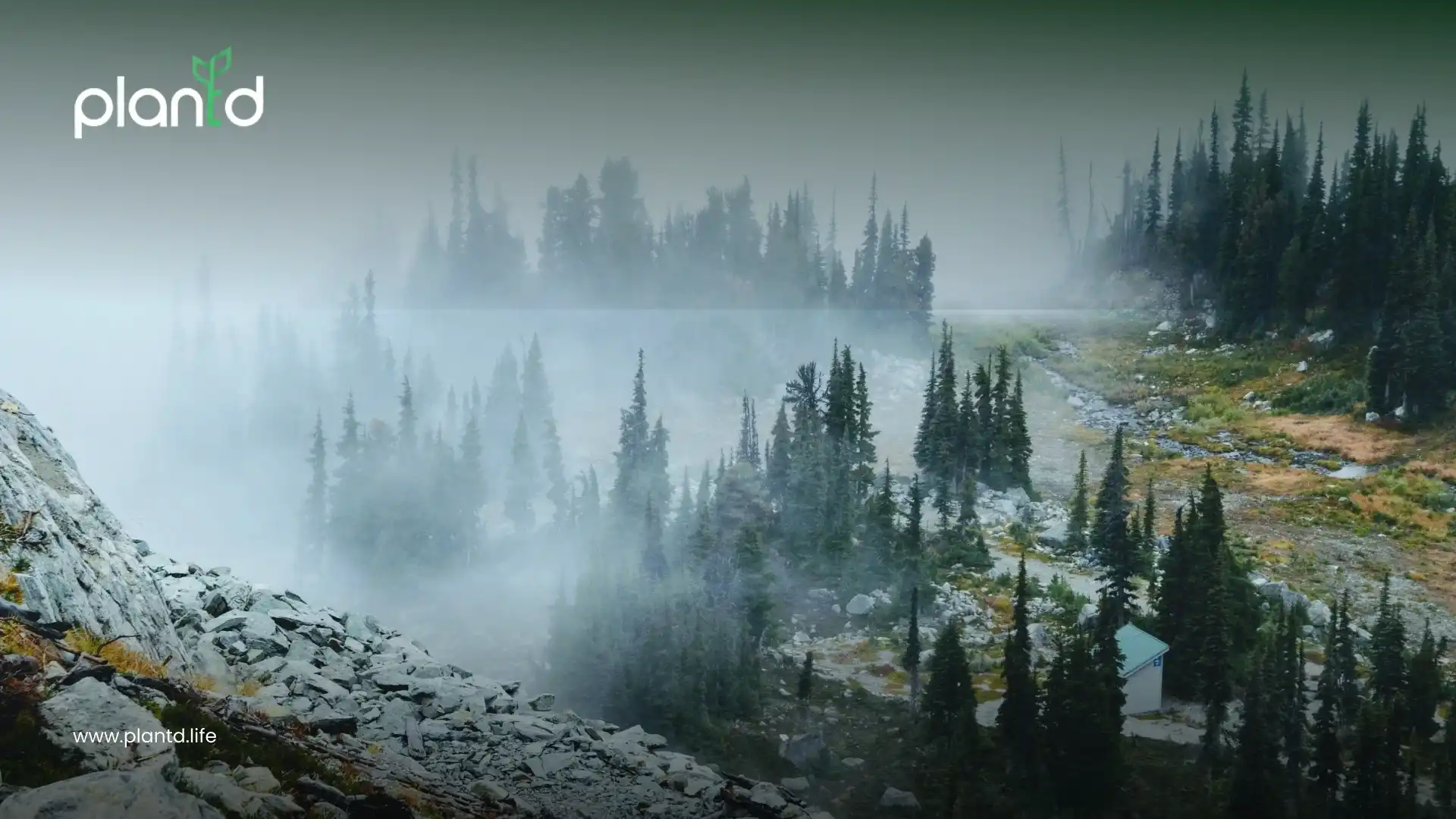
Spanning Canada, Scandinavia, and Russia, the boreal forest (or taiga) is the largest land biome on Earth, covering nearly one-third of all forested areas. Its ancient conifers and peat-rich soils act as one of the world’s greatest carbon vaults.
How They Balance the Climate
Boreal forests store more carbon than any other terrestrial ecosystem, more than 1,000 billion tons, much of it trapped in frozen soil. Their reflective snow-covered canopies also help cool the planet by bouncing sunlight back into space.
Wildlife and Interdependence
Life here is rugged and resilient.
-
The Canada lynx hunts snowshoe hares across icy landscapes.
-
Caribou migrate thousands of miles, distributing nutrients as they go.
-
Woodpeckers, ptarmigans, and migratory birds rely on boreal wetlands for breeding and feeding.
Even the mosses and lichens carpeting the ground sustain the ecosystem, filtering water and anchoring soil in extreme cold.
The Threat
Climate change is melting permafrost beneath these forests, releasing methane, a greenhouse gas over 25 times more potent than CO₂. Wildfires, once rare, are now burning with alarming frequency.
Scientists warn that without urgent protection, boreal forests could shift from carbon sinks to carbon sources, amplifying global warming.
4. Mangrove Forests: The Coastal Climate Defenders
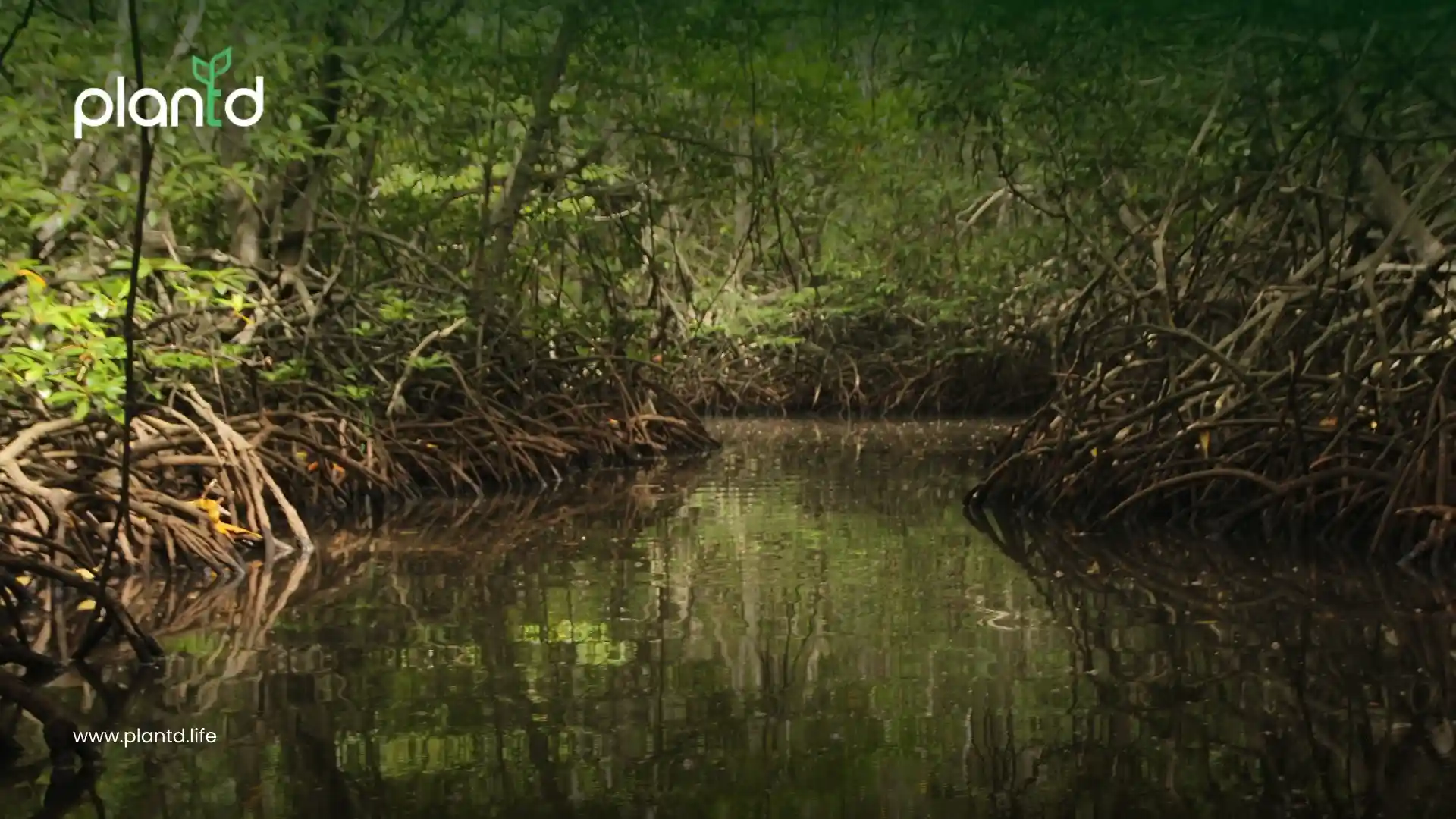
Mangroves thrive where land meets sea, along tropical and subtropical coastlines from India to Indonesia to Central America. Their twisted roots rise above water like natural fortresses against storms and erosion.
How They Balance the Climate
Mangroves store up to five times more carbon per hectare than terrestrial forests, thanks to the organic-rich sediment beneath them. They also act as buffers, absorbing tidal energy and protecting coastal communities from cyclones and flooding.
Wildlife and Interdependence
Mangroves are nurseries of the ocean.
-
Juvenile fish, crabs, and shrimp shelter among their roots before venturing into open waters.
-
Sea turtles nest on nearby beaches protected by mangrove cover.
-
Kingfishers, herons, and monkeys rely on them for food and nesting grounds.
Destroying mangroves doesn’t just release carbon; it unravels entire food webs that sustain marine and human life alike.
The Threat
Coastal development, aquaculture, and pollution have wiped out over one-third of global mangroves. Their loss leaves millions vulnerable to rising seas and extreme weather.
5. Dry and Mountain Forests: The Unsung Stabilizers
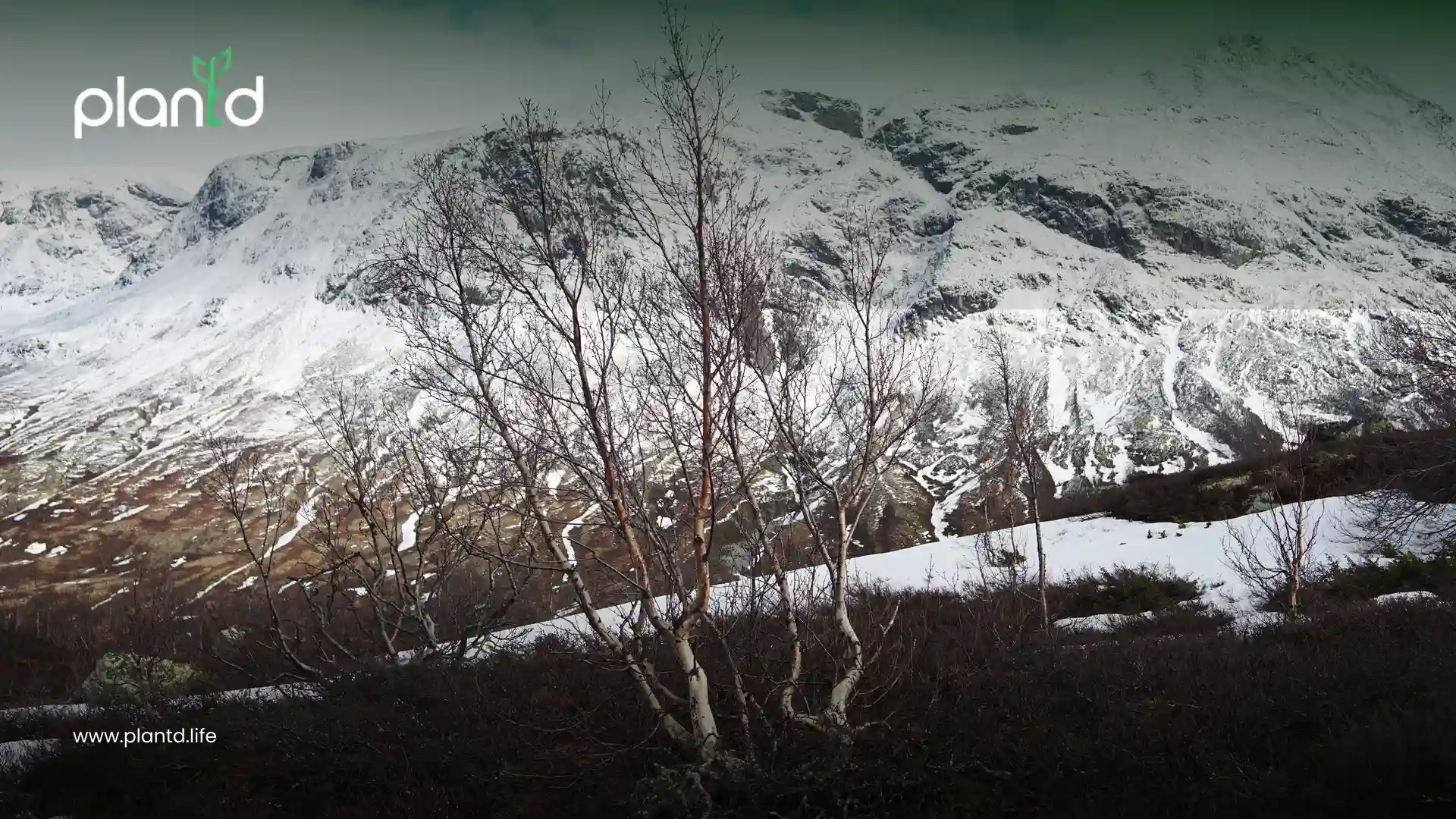
In the foothills of the Himalayas, the Andes, or the Sierra Madre, mountain forests help regulate regional water cycles and prevent landslides. Dry forests, meanwhile, thrive in arid climates, anchoring soil and capturing scarce rainfall.
How They Balance the Climate
Though less dense, these forests store carbon in hardy, deep-rooted trees that can survive long droughts. They also regulate groundwater, feeding rivers that supply cities and farms.
Wildlife and Interdependence
-
Mountain forests shelter animals adapted to extremes, such as snow leopards, red pandas, mountain goats, and countless birds of prey.
-
Dry forests of India and Africa, home to tigers, elephants, and antelopes, provide corridors for migration and breeding.
-
In these ecosystems, every root holds the soil and every tree shades a habitat, making them vital for both biodiversity and human water security.
The Threat
Unsustainable grazing, forest fires, and agricultural expansion have degraded these fragile biomes, increasing the risk of desertification and flash floods.
Deforestation and Restoration: The Two Faces of Our Planet’s Future
Forests take centuries to grow but only moments to burn. When they fall, so does the balance that keeps our planet alive. Each tree lost releases decades of stored carbon back into the atmosphere, adding to the buildup of greenhouse gases and accelerating climate change. But the damage doesn’t stop at the atmosphere; it ripples through entire ecosystems.
Without tree cover, elephants lose ancient migration paths, birds lose nesting grounds, and pollinators lose their food sources. Rivers dry, soils erode, and once-thriving landscapes collapse into silence. Deforestation is not just the loss of trees. It is the breakdown of Earth’s most essential defense system, the one that cools the planet, cleans the air, and sustains life itself.
Yet, where loss begins, restoration can take root. Reforestation and afforestation are among the simplest and most powerful tools we have to heal the planet. By planting trees where they once stood and protecting those that still stand, we can rebuild natural carbon sinks, revive biodiversity, and repair damaged ecosystems.
This is where Plantd steps in.
How Plantd Helps Restore Climate Balance
At Plantd, we make it easy for individuals, teams, and businesses to turn environmental awareness into measurable action. Every contribution supports verified global reforestation projects that help restore climate stability, biodiversity, and community resilience.
From the Rim Wildfire Restoration in California to community-led reforestation in Honduras and Senegal, Plantd ensures that every tree planted contributes to more than just greenery; it builds hope, livelihoods, and a climate-secure future.
With Plantd, you can:
-
Fund reforestation projects tailored to global or local goals.
-
Track your carbon impact transparently through live dashboards.
-
Engage your organization or community in sustainable, climate-positive action.
Because when you plant a tree, you don’t just grow a forest, you rebalance the world.
Restore Balance and Regrow the Future with Plantd

Every forest tells a story of balance, resilience, and renewal. From the misty rainforests that cradle rivers to the vast boreal woodlands that cool our planet, forests are the living heartbeat of Earth. They regulate the climate, nurture biodiversity, and sustain the air we breathe.
With Plantd, your actions help keep that rhythm alive.
Each contribution supports verified reforestation and conservation projects around the world, restoring lost ecosystems, protecting wildlife habitats, and strengthening nature’s defense against climate change. Whether you’re an individual, a team, or a business, every step you take helps forests stand taller.
With real-time impact tracking and transparent reporting, you’ll see the difference your actions make — from seedlings planted to carbon absorbed.
Together, we can help every forest, everywhere, thrive again.